
Meta: Identify aerial lift hydraulic problems early. Learn warning signs, troubleshooting tips, and maintenance to prevent costly failures.
Signs Your Aerial Lift Hydraulics Need Attention
Is your aerial lift showing warning signs of hydraulic problems? The hydraulic system is the heart of your aerial lift, and catching issues early can prevent costly repairs and dangerous failures. This guide covers the key warning signs that indicate your lift’s hydraulics need immediate attention.
Why Hydraulic System Health Matters
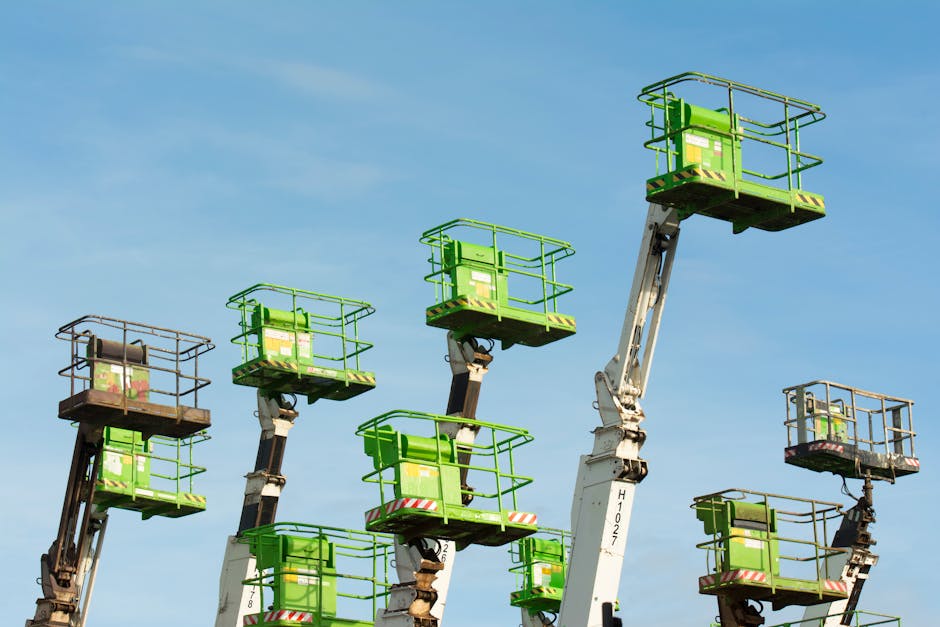
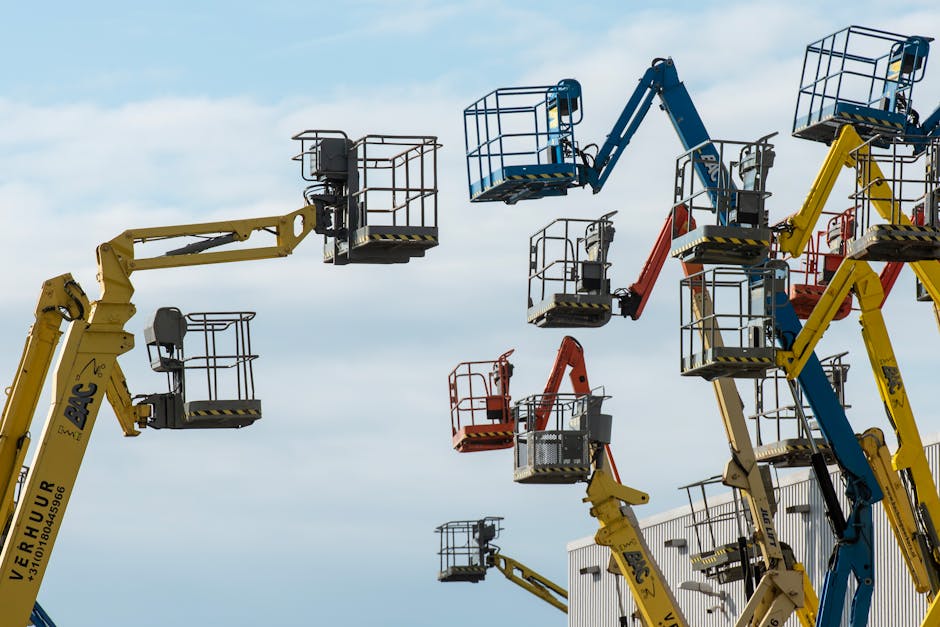
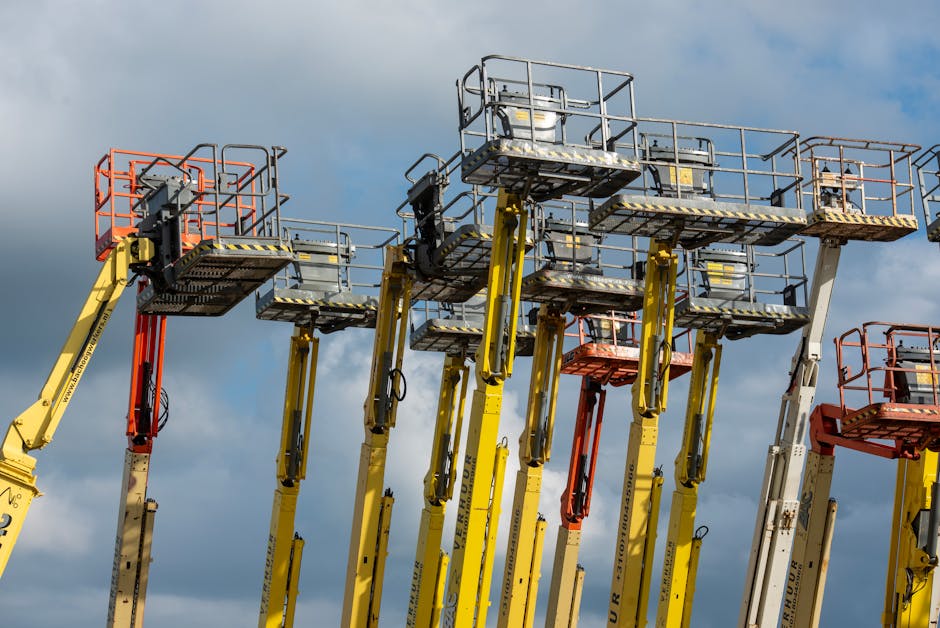
Hydraulic systems power the critical functions of your aerial lift:
- Platform elevation: Raising and lowering the work platform
- Boom extension: Extending and retracting boom sections
- Steering: Power steering for maneuverability
- Drive functions: Wheel motors on some models
A failing hydraulic system can lead to unexpected downtime, expensive repairs, and most importantly, safety hazards for operators.
Warning Sign #1: Hydraulic Fluid Leaks
What to Look For
- Puddles under the lift: Red or amber fluid on the ground
- Wet spots on cylinders: Shiny or oily appearance on hydraulic rams
- Dripping hoses: Fluid dripping from hose connections
- Low fluid level: Reservoir below minimum mark
Common Leak Sources
- Worn cylinder seals
- Loose fittings and connections
- Cracked or damaged hoses
- Failed pump seals
- Damaged reservoir
Action Required
Any visible leak should be investigated immediately. Small leaks can quickly become major failures.
Warning Sign #2: Slow or Sluggish Operation
Symptoms
- Platform raises slower than normal
- Boom extension is sluggish
- Delayed response to control inputs
- Functions work intermittently
Possible Causes
- Low fluid level: Insufficient hydraulic fluid
- Worn pump: Pump not generating adequate pressure
- Clogged filters: Restricted fluid flow
- Air in system: Aerated fluid reduces efficiency
- Worn valves: Control valves not functioning properly
Warning Sign #3: Unusual Noises
Types of Problem Noises
- Whining: Often indicates pump cavitation or low fluid
- Grinding: May signal internal pump damage
- Knocking: Could indicate air in the system
- Squealing: Often belt-driven pump issues
What the Noises Mean
Whining noise: Typically means the pump is drawing air, often due to low fluid level or a leak on the suction side.
Grinding noise: Serious concern indicating internal damage to pump or motor components.
Hammering/knocking: Usually indicates air in the hydraulic lines or water contamination.
Warning Sign #4: Overheating
Symptoms
- Hot to touch hydraulic components
- Burning smell from hydraulic area
- Discolored or burnt-smelling fluid
- System shuts down due to thermal protection
Causes of Overheating
- Low fluid level: Insufficient fluid to dissipate heat
- Wrong fluid type: Fluid viscosity not matched to operating conditions
- Clogged cooler: Heat exchanger blocked by debris
- Excessive cycling: Continuous operation without rest
- Internal leakage: Fluid bypassing creates heat
Warning Sign #5: Contaminated Fluid
Signs of Contamination
- Dark or cloudy appearance: Fresh fluid is typically clear and amber
- Burnt smell: Indicates overheating or breakdown
- Milky appearance: Water contamination
- Visible particles: Metal shavings or debris
Effects of Contamination
- Accelerated wear on components
- Clogged valves and orifices
- Reduced lubrication
- Seal degradation
- Corrosion of internal parts
Warning Sign #6: Erratic Movement
Symptoms
- Platform jerks or jumps during operation
- Uneven or unpredictable movement
- Drifting when controls are neutral
- Functions stop mid-operation
Common Causes
- Air in hydraulic lines
- Sticking or worn control valves
- Worn cylinder seals
- Electrical issues with solenoid valves
- Pressure relief valve problems
Preventive Maintenance Schedule
Daily Checks
- Visual inspection for leaks
- Check fluid level
- Listen for unusual noises
- Test all functions
Monthly Maintenance
- Inspect hoses and fittings
- Check fluid condition
- Clean hydraulic cooler
- Tighten loose connections
Annual Service
- Change hydraulic fluid
- Replace filters
- Professional system inspection
- Pressure testing
Frequently Asked Questions
Q1: How often should I change hydraulic fluid?
Most manufacturers recommend changing hydraulic fluid every 1,000-2,000 operating hours or annually, whichever comes first. Always follow your specific model’s maintenance schedule.
Q2: Can I mix different types of hydraulic fluid?
No, mixing different hydraulic fluids can cause chemical reactions that damage seals and reduce performance. Always use the fluid type specified by the manufacturer.
Q3: What should I do if I find a leak?
Tag the equipment out of service immediately, identify the leak source, and repair before returning to service. Even small leaks can lead to system failure.
Q4: How do I know if my hydraulic filter needs replacing?
Replace filters according to the maintenance schedule (typically every 500 hours) or if you notice slow operation, contamination, or after any system repair.
Q5: Is it normal for hydraulic fluid to get hot?
Some heat is normal during operation, but fluid shouldn’t exceed 180°F (82°C). Excessive heat indicates a problem that needs attention.
Conclusion: Don’t Ignore Warning Signs
Hydraulic problems don’t fix themselves—they only get worse. Early detection and prompt repair can save thousands in repair costs and prevent dangerous failures.
Experiencing hydraulic issues? Contact our service team for professional hydraulic system diagnosis and repair. We offer preventive maintenance programs to keep your aerial lift hydraulics in top condition.
For more maintenance guidance, see our articles on preventive maintenance checklists and troubleshooting guides.