
Meta: Compare articulating vs telescopic boom lifts. Learn reach, maneuverability differences and which aerial lift is right for your project.
How to Choose Between Articulating and Telescopic Boom Lifts
Stuck deciding between an articulating and telescopic boom lift? Choosing the right type of boom lift can significantly impact your project’s efficiency and safety. This comprehensive comparison guide breaks down the key differences, advantages, and ideal applications for each type to help you make an informed decision.
Understanding the Basic Difference
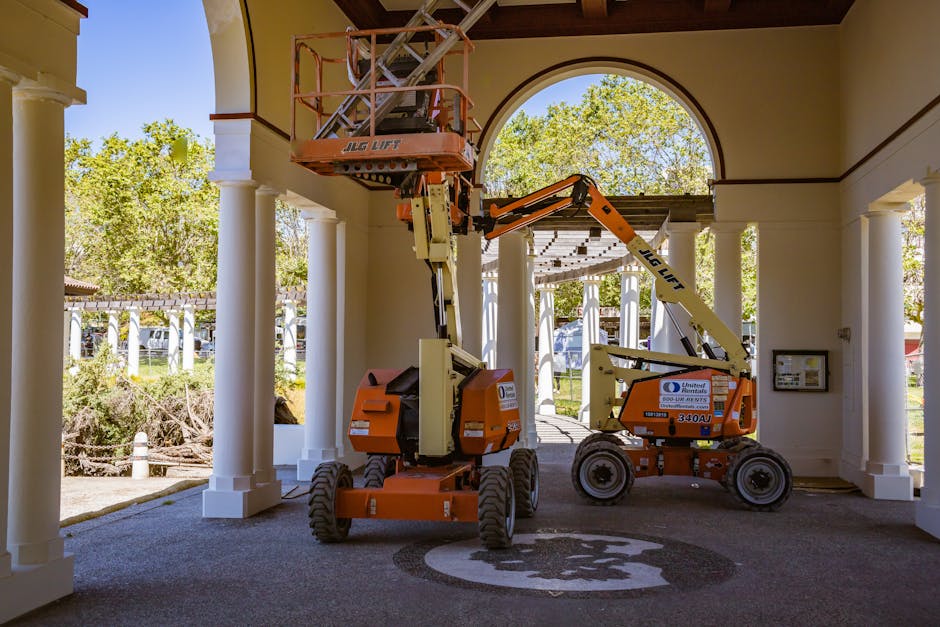
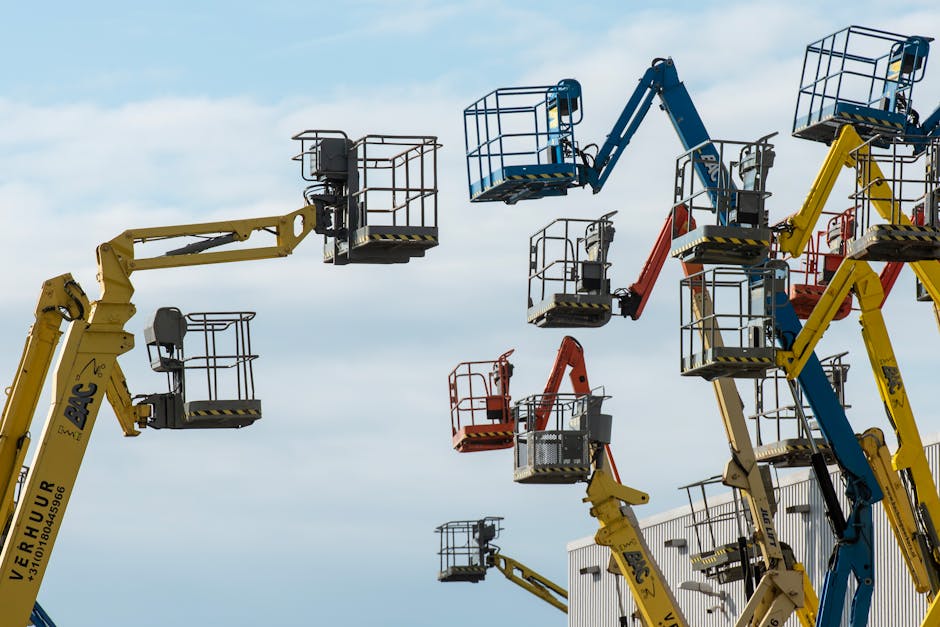
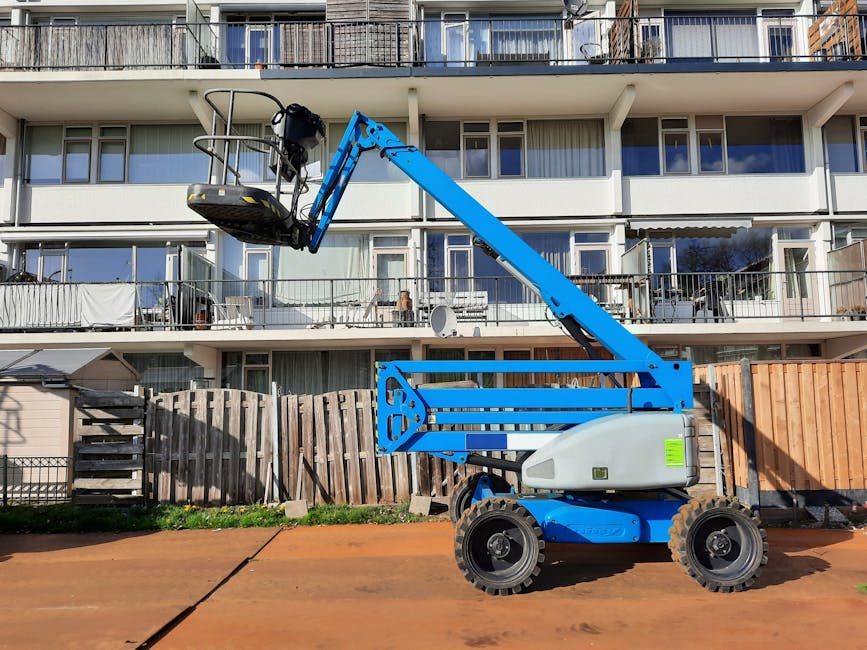
Articulating Boom Lifts (Knuckle Booms)
Articulating boom lifts feature multiple hinged sections that bend like a finger or knuckle:
- Design: Two or more boom sections connected by articulating joints
- Movement: Can bend and reach around obstacles
- Reach pattern: Up-and-over capability for accessing difficult areas
- Platform rotation: Typically 180° continuous rotation
Telescopic Boom Lifts (Stick Booms)
Telescopic boom lifts have a single straight boom that extends outward:
- Design: Single boom section that telescopes outward
- Movement: Extends in a straight line from the base
- Reach pattern: Maximum horizontal and vertical reach
- Platform rotation: Typically 180° continuous rotation
Key Comparison Factors
1. Reach and Maneuverability
Articulating Boom Advantages:
- Can reach over and around obstacles
- Excellent for confined spaces
- Multiple pivot points provide flexibility
- Better for complex positioning tasks
Telescopic Boom Advantages:
- Greater horizontal reach (up to 180+ feet)
- Faster setup and positioning
- Simpler operation with fewer joints
- Better for open areas with clear access
2. Working Height
Articulating Booms: Typical range: 30-150 feet, excellent vertical reach in tight spaces
Telescopic Booms: Typical range: 40-180+ feet, maximum height capability
When to Choose an Articulating Boom Lift
Ideal Applications
- HVAC installation: Reaching around ductwork and structural elements
- Electrical work: Navigating around conduits and equipment
- Window cleaning: Accessing windows behind architectural features
- Tree trimming: Maneuvering around branches
- Interior construction: Working around obstacles in buildings
- Maintenance tasks: Accessing equipment in crowded mechanical rooms
Site Conditions Favoring Articulating Booms
- Confined work areas
- Multiple obstacles to navigate
- Need to reach “up and over” barriers
- Complex positioning requirements
- Indoor applications with limited space
When to Choose a Telescopic Boom Lift
Ideal Applications
- Bridge inspection: Long horizontal reach requirements
- Steel erection: Maximum height and reach
- Roofing work: Accessing large roof areas
- Facade work: Vertical surfaces with clear access
- Stadium construction: High, open spaces
- Tower maintenance: Telecommunications and utility towers
Site Conditions Favoring Telescopic Booms
- Open work areas
- Maximum reach requirements
- Clear access to work zone
- Simple vertical or horizontal positioning
- Outdoor applications with space
Cost Considerations
Rental Rates (Approximate Daily)
- Articulating 30-50 ft: $250-$450/day
- Articulating 60-85 ft: $500-$850/day
- Telescopic 40-80 ft: $300-$550/day
- Telescopic 100+ ft: $700-$1,200/day
Weekly and Monthly Discounts
- Weekly rate: ~3x daily rate (save 15-20%)
- Monthly rate: ~10x daily rate (save 30-35%)
Frequently Asked Questions
Q1: Which type is better for indoor use?
Articulating booms are generally better for indoor use due to their ability to maneuver around obstacles in confined spaces. Electric models are ideal for indoor applications with zero emissions.
Q2: Can telescopic booms reach around corners?
No, telescopic booms extend in a straight line. If you need to reach around obstacles, an articulating boom is necessary. Some telescopic models have articulating jibs for limited up-and-over capability.
Q3: Which type is easier to operate?
Telescopic booms are generally simpler to operate with more intuitive controls. Articulating booms require more skill to master the multiple pivot points effectively.
Q4: Do I need different certifications for each type?
OSHA requires aerial lift operator training, but doesn’t differentiate between types. However, equipment-specific familiarization is required for each model you operate.
Q5: Which holds resale value better?
Both types hold value well, but articulating booms often have slightly better resale due to their versatility. Condition, hours, and maintenance history matter more than type.
Conclusion: Match the Lift to Your Application
The choice between articulating and telescopic boom lifts comes down to your specific application:
Choose articulating when: You need to reach around obstacles, work in confined spaces, or require maximum maneuverability.
Choose telescopic when: You need maximum reach, work in open areas, or prioritize speed of setup.
Need help choosing? Contact our equipment specialists for personalized recommendations based on your specific projects. We offer both sales and rentals with expert guidance to ensure you get the right lift for the job.
For more guidance, explore our complete boom lift buying guide and rough terrain boom lift guide for additional insights.