
Comparing Lift Brands: Reliability Rankings
In the industrial equipment sector, understanding proper operation and maintenance is crucial for safety and productivity. This comprehensive guide addresses key questions that equipment operators and buyers frequently ask.
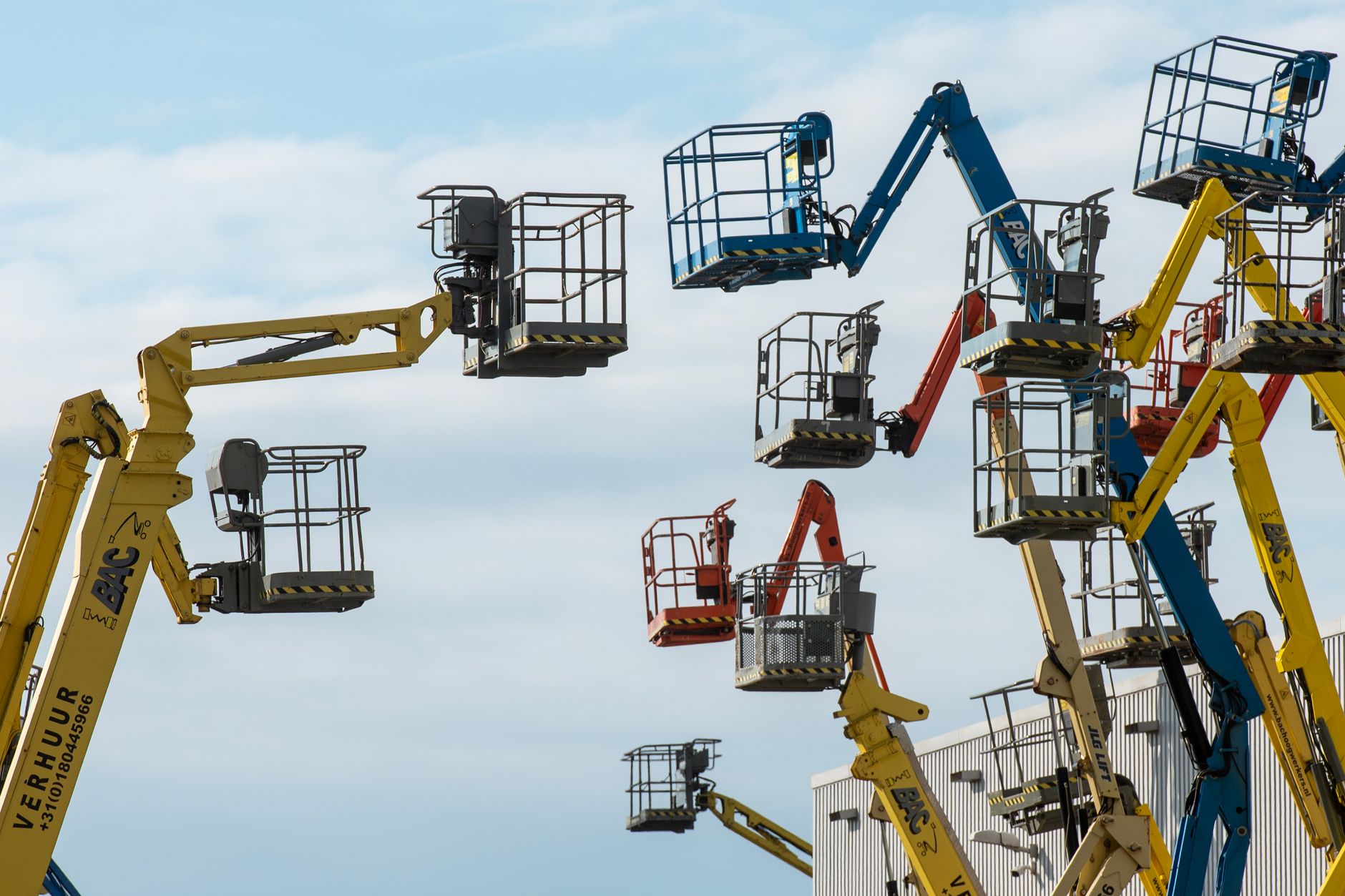
Key Considerations
When evaluating equipment decisions, several factors come into play. Safety should always be the top priority, followed by operational efficiency and long-term cost effectiveness.
Best Practices
- Follow manufacturer guidelines for all operations
- Conduct regular inspections and maintenance
- Train all operators on proper procedures
- Document all maintenance activities
- Replace worn components promptly
Common Mistakes to Avoid
Many operators make avoidable errors that can lead to equipment damage or safety incidents. Understanding these pitfalls helps prevent costly mistakes:
- Skipping pre-operation inspections
- Exceeding rated capacity limits
- Using equipment beyond service intervals
- Ignoring warning signs or unusual noises
- Operating without proper certification
Maintenance Guidelines
Regular maintenance extends equipment life and ensures safe operation. Establish a maintenance schedule based on manufacturer recommendations and actual usage patterns.
Inspection Checklist
- Visual inspection for damage or wear
- Check all safety devices and guards
- Verify fluid levels and conditions
- Test all controls and emergency stops
- Inspect tires, wheels, and steering
- Check for leaks in hydraulic systems
Conclusion
Proper equipment operation and maintenance are essential for safe, efficient industrial operations. By following the guidelines in this article, you can maximize equipment lifespan while ensuring operator safety.
For more information on industrial equipment selection, operation, and maintenance, explore our other resources or contact our team for personalized guidance.