
Container Forklift Attachments: Loading Bay Efficiency Tips
Optimizing your loading bay operations starts with the right forklift attachments. This comprehensive guide explores container forklift attachments that maximize efficiency, improve safety, and reduce manual handling. Learn which accessories deliver the best ROI for your specific operations.
Understanding Loading Bay Challenges
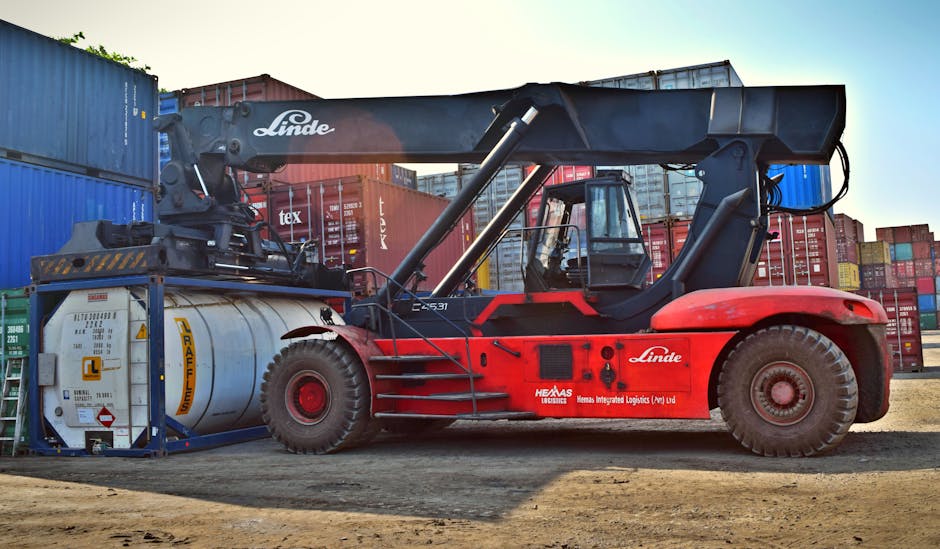
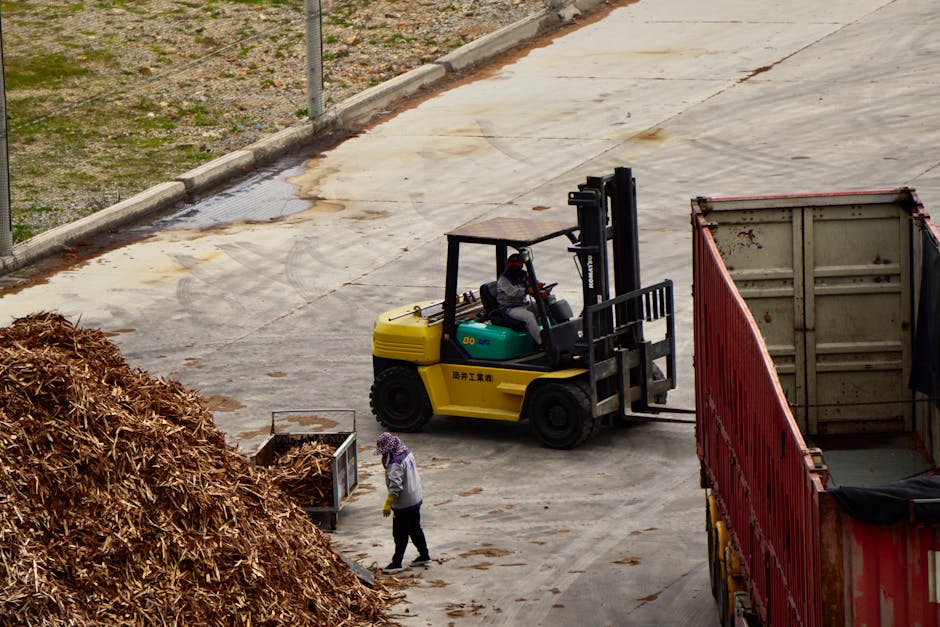
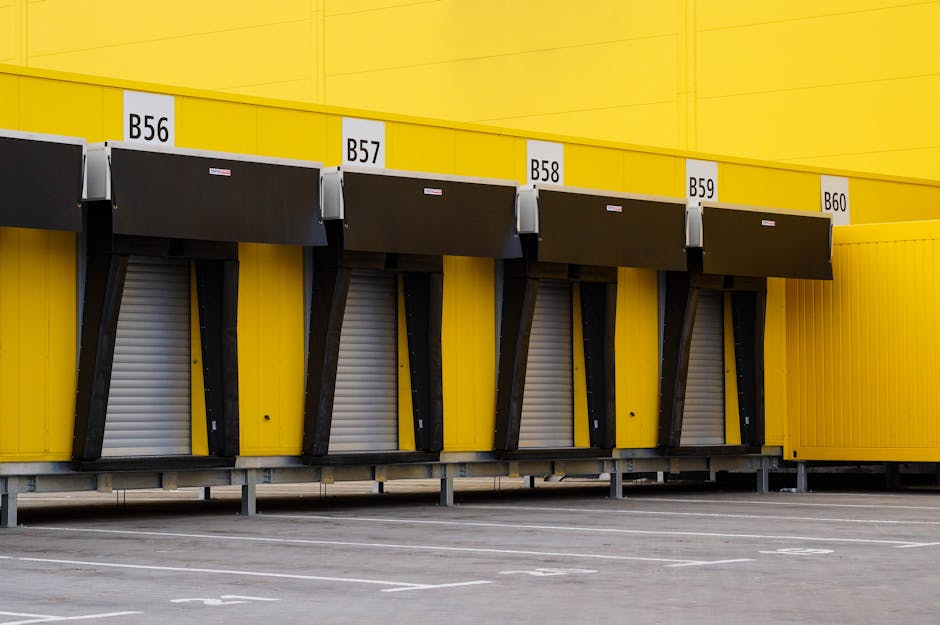
Loading bays face unique challenges that standard forklifts can’t address:
- Space constraints: Limited maneuvering room inside containers
- Weight distribution: Uneven loads affect stability
- Dock height variations: Trucks and containers vary in height
- Product diversity: Different items require different handling
- Speed pressure: Quick turnaround expectations
The right attachments transform your forklift into a specialized tool that addresses these challenges directly.
Essential Container Forklift Attachments
1. Fork Extensions
Purpose: Extend fork length for handling longer loads
Specifications:
- Available lengths: 24″ to 96″
- Capacity: Must match or exceed forklift rating
- Material: Heat-treated steel
- Cost: $200-$800 per pair
Best applications:
- Lumber and building materials
- Long pipes and tubing
- Oversized pallets
Safety note: Fork extensions reduce rated capacity. Always derate according to manufacturer specifications.
2. Side Shifters
Purpose: Allow lateral fork movement without repositioning forklift
Benefits:
- Faster pallet positioning (30-50% time savings)
- Reduced product damage
- Less operator fatigue
- Better accuracy in tight spaces
Specifications:
- Side shift range: Typically 4-6 inches each direction
- Capacity: Matches forklift rating
- Cost: $1,500-$3,500 installed
ROI calculation: If a side shaver saves 30 seconds per load and you move 100 loads/day, that’s 50 minutes saved daily. At $25/hour operator cost, that’s $20/day or $5,000/year savings.
3. Fork Positioners
Purpose: Automatically adjust fork width for different pallet sizes
Benefits:
- Quick changeover between pallet sizes
- Reduced operator dismounting
- Improved safety (no manual adjustment)
- Better load stability
Specifications:
- Fork range: Typically 35″ to 70″
- Operation: Hydraulic (uses auxiliary hydraulics)
- Cost: $2,000-$4,500 installed
Best for: Operations handling multiple pallet sizes throughout the day
4. Carton Clamps
Purpose: Handle unitized loads without pallets
Benefits:
- Eliminates pallet costs ($10-$30 per pallet)
- Increases container cube utilization by 10-15%
- Reduces waste disposal
- Faster handling of appropriate products
Specifications:
- Pad sizes: Various to match load dimensions
- Capacity: 3,000-8,000 lbs typical
- Rotation: Some models offer 360° rotation
- Cost: $4,000-$10,000 depending on size and features
Best applications:
- Paper and textile products
- Baled materials
- Appliance handling
- Beverage cases
5. Push-Pull Attachments
Purpose: Handle slip-sheeted loads
Benefits:
- Eliminates pallets entirely
- Maximum container space utilization
- Lower shipping weight
- Reduced pallet management costs
How it works:
- Push plate pushes load onto slip sheet
- Gripper arms grasp slip sheet lip
- Pull action brings load onto attachment
Specifications:
- Capacity: 3,000-6,000 lbs
- Slip sheet compatibility: Paper or plastic
- Cost: $5,000-$12,000
Considerations: Requires supplier cooperation for slip-sheeted shipments. Training needed for operators.
6. Rotators
Purpose: Rotate loads for proper orientation
Benefits:
- Proper product orientation without manual handling
- Reduced worker strain injuries
- Faster processing
- Better quality control
Specifications:
- Rotation: 180° or 360° continuous
- Capacity: 2,000-6,000 lbs
- Cost: $3,000-$8,000
Best applications:
- Drum handling (pouring operations)
- Bin dumping
- Product reorientation
Specialized Loading Bay Attachments
Container Mast Extensions
Purpose: Increase lift height for stacking inside high-cube containers
Benefits:
- Utilize full container height
- Stack pallets 3-4 high safely
- Increase container capacity by 30-50%
Specifications:
- Height increase: 6-10 feet
- Capacity derating: Typically 20-30%
- Cost: $2,000-$5,000
Warehouse Cranes/Jibs
Purpose: Lift heavy items that exceed forklift capacity
Benefits:
- Handle occasional heavy lifts without larger forklift
- Flexible positioning
- Lower cost than dedicated crane
Specifications:
- Capacity: 1,000-4,000 lbs
- Reach: 4-8 feet
- Cost: $1,500-$4,000
Multiple Pallet Handlers
Purpose: Move multiple pallets simultaneously
Benefits:
- Double or triple productivity
- Reduced trips
- Faster truck loading/unloading
Types:
- Double pallet handler: Two pallets side-by-side
- Tandem handler: Two pallets front-to-back
- Quad handler: Four pallets simultaneously
Cost: $1,500-$4,000 depending on capacity and configuration
Attachment Selection Framework
Step 1: Analyze Your Loads
Document what you actually handle:
- Pallet sizes and weights
- Non-palletized loads
- Special handling requirements
- Peak vs. average conditions
Step 2: Calculate Current Costs
Understand your baseline:
- Labor time per load
- Product damage costs
- Pallet costs and disposal
- Worker injury costs
Step 3: Identify Bottlenecks
Where do delays occur?
- Truck turnaround time
- Load positioning difficulty
- Product changeover time
- Safety incidents
Step 4: Match Attachments to Needs
Select attachments that address your specific bottlenecks:
- Slow positioning → Side shifter
- Multiple pallet sizes → Fork positioner
- Pallet costs → Carton clamp or push-pull
- Heavy occasional lifts → Crane/jib
Step 5: Calculate ROI
Simple ROI formula:
ROI = (Annual Savings – Attachment Cost) / Attachment Cost × 100%
Include:
- Labor savings
- Reduced damage
- Pallet savings
- Safety improvement (reduced injuries)
Installation Considerations
Hydraulic Requirements
Many attachments require auxiliary hydraulics:
- Check: Does your forklift have auxiliary hydraulics?
- Cost to add: $1,500-$3,000 if not equipped
- Flow rate: Must match attachment requirements
Capacity Derating
Attachments reduce forklift capacity:
- Attachment weight subtracts from capacity
- Load center changes affect rating
- Always consult load chart with attachment
- Typical derating: 10-30% depending on attachment
Quick-Attach Systems
Consider quick-attach for frequent changes:
- Benefits: Change attachments in minutes vs. hours
- Cost: $500-$1,500
- Best for: Operations using multiple attachments
Training Requirements
OSHA Compliance
OSHA requires additional training for attachment use:
- Attachment-specific operation
- Modified load charts
- Safety considerations
- Inspection procedures
Key Training Topics
- Proper attachment installation
- Capacity derating understanding
- Safe operating procedures
- Daily inspection requirements
- Load stability principles
Maintenance and Inspection
Daily Inspection
Operators should check:
- Visible damage or wear
- Hydraulic leaks
- Mounting security
- Moving parts function
- Safety devices
Monthly Inspection
- Detailed component inspection
- Hydraulic hose condition
- Wear measurements
- Lubrication
- Fastener torque
Annual Certification
Some attachments require annual certification:
- Load testing
- Structural inspection
- Documentation
Frequently Asked Questions
Q1: Can I use any attachment on my forklift?
No. Attachments must be compatible with your specific forklift model and capacity. Consult your forklift dealer and attachment manufacturer. Using incompatible attachments voids warranties and creates safety hazards.
Q2: How do attachments affect my forklift warranty?
Manufacturer-approved attachments installed by authorized dealers typically don’t void warranty. Unapproved attachments or improper installation may void warranty. Always check with your forklift dealer first.
Q3: Are used attachments a good value?
Used attachments can save 30-50% but inspect carefully for wear, damage, and hydraulic leaks. Get a warranty if possible. For critical attachments, new may be worth the premium.
Q4: How quickly do attachments pay for themselves?
Simple attachments like side shifters often pay for themselves in 6-12 months through labor savings. Complex attachments may take 12-24 months. Calculate based on your specific operation.
Q5: Do I need to update my forklift load plate when adding attachments?
Yes. OSHA requires updated load capacity plates when attachments are added. Your forklift dealer can provide updated plates showing derated capacities with specific attachments.
Conclusion: Invest in Efficiency
The right forklift attachments transform your loading bay from a bottleneck into a competitive advantage. Start with attachments that address your biggest pain points, calculate realistic ROI, and invest in quality equipment with proper training.
Remember: the cheapest attachment isn’t always the best value. Consider total cost of ownership, dealer support, and compatibility with your long-term equipment strategy.
Ready to optimize your loading bay? Contact our material handling specialists for attachment recommendations tailored to your specific operations. We offer competitive pricing on all major attachment brands with expert installation and training.
For related guides, see our articles on forklift selection, dock leveler installation, and complete forklift buying guide.