
Dock Leveler Installation Guide: What Warehouse Managers Need to Know Before Buying
Planning to install or upgrade your loading dock equipment? This comprehensive guide covers everything warehouse managers need to know about dock levelers—from types and installation requirements to safety features and maintenance.
Understanding Dock Levelers
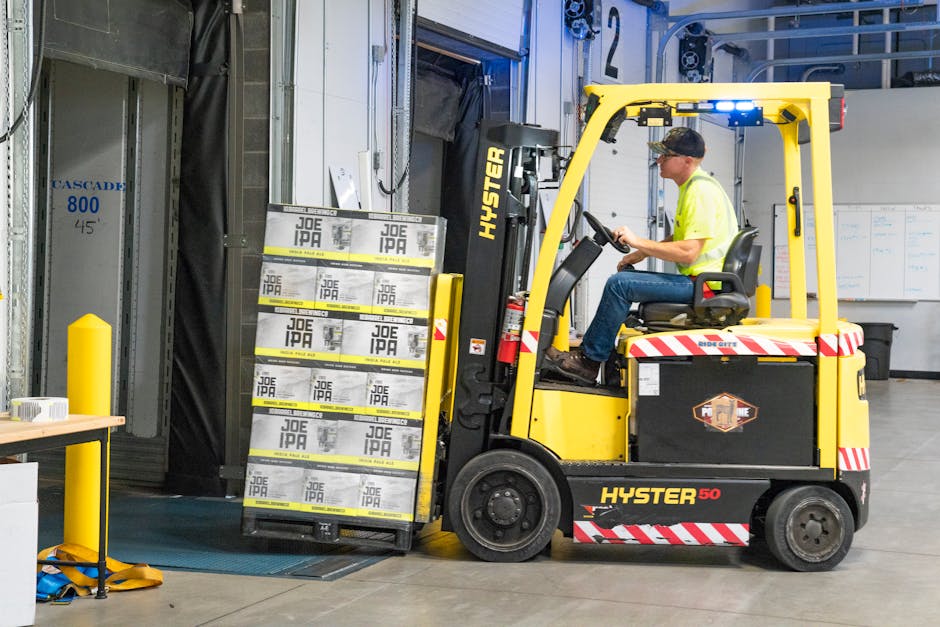
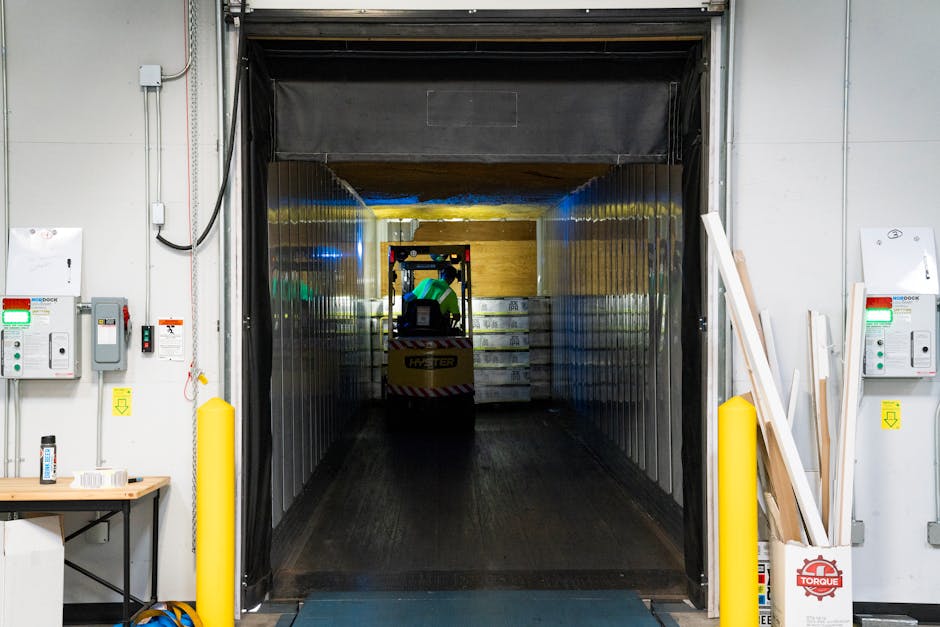
A dock leveler bridges the gap between the dock and truck, allowing forklifts to move smoothly. Height differences between dock and truck bed vary significantly, making dock levelers essential for safe loading operations. Studies show proper dock equipment can improve loading efficiency by up to 30%.
Types of Dock Levelers
Mechanical Dock Levelers
Use spring-loaded mechanisms. Reliable, cost-effective, minimal maintenance.
- Lower initial cost
- Simple operation
- No power needed
Best for: Low to medium traffic docks
Hydraulic Dock Levelers
Use electric or air-powered hydraulic systems for smooth operation.
- Smooth controlled operation
- Higher weight capacity
- Better for high-traffic
Best for: High-volume operations
Air-Powered Dock Levelers
Use air bags to raise/lower platform. Balance of cost and performance.
- Quieter than hydraulic
- Good performance-to-cost
- Reliable in various conditions
Installation Requirements
Pit-Mounted Levelers
- Pit dimensions must match specifications
- Steel reinforcement required
- Proper drainage prevents water accumulation
Installation Timeline
- Site preparation: 1-2 days
- Pit construction: 3-5 days
- Leveler installation: 1 day per unit
- Testing: 1 day
Key Selection Criteria
Weight Capacity
Range from 25,000 to 80,000 lbs. Consider forklift weight plus load with 25% safety factor.
Size and Dimensions
- 6 feet: Standard
- 7 feet: Wider forklifts
- 8 feet: Specialized
Range of Adjustment
- Above dock: 12-18 inches
- Below dock: 12-15 inches
Safety Features
- Lip locks prevent falling during loading
- Safety legs support if truck pulls away
- Non-slip surface for traction
- Wheel chocks prevent truck movement
Maintenance Requirements
Daily Inspections
Check platform condition, safety devices, unusual noises, debris.
Monthly Maintenance
Lubricate hinges, check hydraulic fluid, inspect for wear, test safety devices.
Annual Professional Inspection
Certified technician performs complete system inspection and preventive maintenance.
Cost Considerations
Equipment Costs
- Mechanical: $3,000-$6,000
- Air-powered: $5,000-$9,000
- Hydraulic: $7,000-$12,000+
Installation Costs
- Pit construction: $5,000-$10,000
- Installation labor: $1,000-$2,000
Frequently Asked Questions
Q1: How long does a dock leveler last?
With proper maintenance, 15-20 years or more. Hydraulic systems may need component replacement after 10-15 years.
Q2: Can dock levelers be installed on existing docks?
Yes, but requires cutting a pit. Edge-of-dock levelers are simpler alternatives with lower capacity.
Q3: What maintenance is required?
Daily inspections, monthly lubrication, quarterly safety testing, annual professional inspection.
Q4: How do I know what capacity I need?
Calculate forklift weight plus maximum load, add 25% safety factor.
Conclusion
Choosing the right dock leveler requires careful consideration of operations, traffic volume, and budget. Professional installation and maintenance ensure years of reliable service.
Ready to upgrade your loading dock? Contact our specialists for a free consultation and quote. We offer competitive pricing with professional installation and warranty coverage.
For complete warehouse planning, explore our guides on forklift selection and material handling equipment.