
Common Scissor Lift Error Codes and What They Mean
Scissor lift error codes help diagnose problems quickly. Understanding common fault codes reduces downtime and prevents unnecessary service calls. This guide covers frequent error codes and troubleshooting steps.
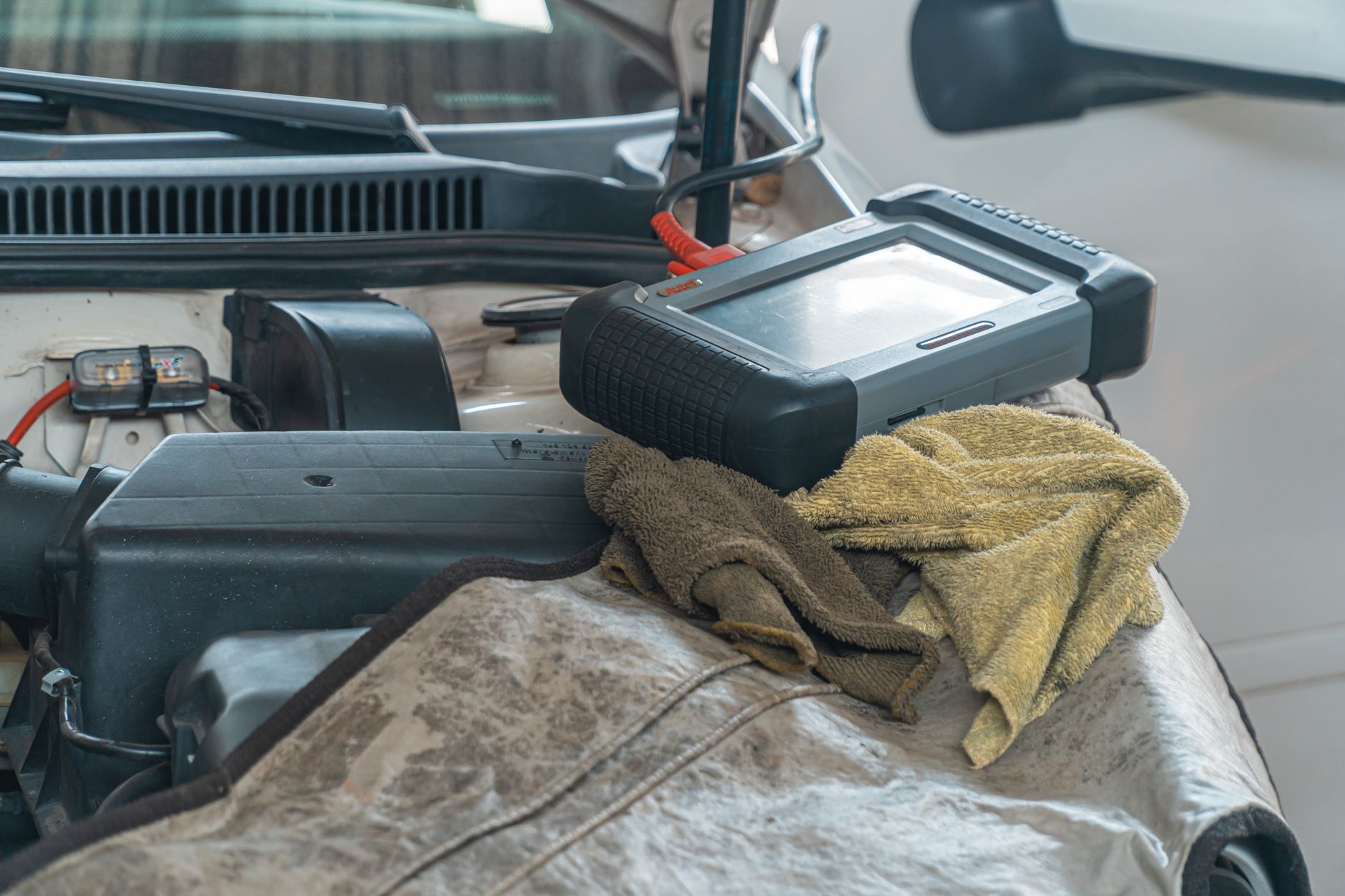


Understanding Lift Diagnostic Systems
Modern Lift Electronics
Today’s scissor lifts feature sophisticated diagnostics:
- LED displays: Show error codes directly
- Handheld programmers: Read detailed fault history
- Controller codes: Flashing patterns indicate specific faults
- Service software: Connects to laptop for advanced diagnostics
Code Categories
Error codes typically fall into these categories:
- E-codes: Electrical system faults
- H-codes: Hydraulic system issues
- S-codes: Safety system faults
- D-codes: Drive system problems
Common Electrical Error Codes
Battery and Charging Codes
Frequent battery-related faults:
- Code E01: Low battery voltage
- Check battery charge level
- Inspect battery connections
- Test individual batteries
- Code E02: Over-voltage condition
- Check charger output
- Inspect voltage regulator
- Verify battery configuration
- Code E03: Charger fault
- Verify charger connection
- Check charger output
- Inspect charging port
Motor and Controller Codes
- Code E10: Drive motor fault
- Check motor connections
- Test motor resistance
- Inspect controller output
- Code E11: Lift motor fault
- Verify hydraulic pump operation
- Check motor brushes
- Test controller signals
- Code E15: Controller communication error
- Check wiring harness
- Inspect connector pins
- Reset controller
Hydraulic System Error Codes
Pressure and Flow Codes
- Code H01: Low hydraulic pressure
- Check hydraulic fluid level
- Inspect for leaks
- Test pump output
- Check relief valve setting
- Code H02: High hydraulic pressure
- Inspect relief valve
- Check for blockages
- Verify pressure gauge accuracy
- Code H05: Hydraulic temperature warning
- Check fluid level
- Inspect cooler operation
- Verify fluid type
Safety System Error Codes
Pothole and Tilt Sensors
- Code S01: Pothole guard fault
- Check pothole guard position
- Inspect sensor alignment
- Verify sensor wiring
- Code S02: Tilt sensor alarm
- Check surface conditions
- Verify sensor calibration
- Inspect sensor mounting
- Code S03: Platform overload
- Reduce platform load
- Check load cell calibration
- Inspect platform structure
Emergency System Codes
- Code S10: Emergency stop activated
- Reset emergency stop button
- Check all E-stop locations
- Inspect wiring
- Code S11: Safety switch fault
- Check platform entry gate
- Inspect limit switches
- Verify switch operation
Drive System Error Codes
Traction and Brake Codes
- Code D01: Drive enable fault
- Check drive enable switch
- Verify platform position
- Inspect wiring
- Code D02: Brake fault
- Check brake adjustment
- Inspect brake pads
- Verify brake release operation
- Code D05: Speed sensor fault
- Check sensor alignment
- Inspect wiring
- Clean sensor face
Troubleshooting Best Practices
Systematic Diagnosis
Follow this approach:
- Record the code: Note exact code and conditions
- Check manual: Consult manufacturer’s code guide
- Visual inspection: Look for obvious problems
- Basic tests: Check connections, fluid levels
- Clear and retest: Reset code and test operation
- Document: Record findings and repairs
When to Call Service
Contact professional service when:
- Error code persists after basic troubleshooting
- Multiple codes appear simultaneously
- Safety system codes are involved
- Hydraulic system requires opening
- Controller replacement may be needed
Conclusion
Understanding scissor lift error codes enables faster diagnosis and reduced downtime. Keep manufacturer code guides accessible and train operators on basic troubleshooting. For persistent or safety-related codes, always consult qualified service technicians.
FAQ
How do I clear error codes on a scissor lift?
Most codes clear automatically when the fault is corrected. Some require cycling power or using a handheld programmer to reset.
What does a flashing LED pattern mean?
Flashing patterns are error codes. Count the flashes and consult your operator’s manual for the specific code meaning.
Can I operate a lift with an error code displayed?
Never operate with safety system codes. For other codes, consult the manual—some allow limited operation while others require immediate service.
How often do error codes indicate serious problems?
Many codes indicate minor issues like low battery or loose connections. However, always investigate promptly to prevent escalation.