
Telehandler Complete Guide: Versatile Material Handling for Construction and Agriculture
Need versatile material handling equipment that can lift, reach, and adapt to multiple tasks? Telehandlers (telescopic handlers) combine the lifting capacity of a crane with the reach of a boom lift, making them indispensable on construction sites, farms, and industrial facilities. This comprehensive guide covers everything you need to know about telehandlers—from types and attachments to capacity considerations and safety best practices.
What is a Telehandler?
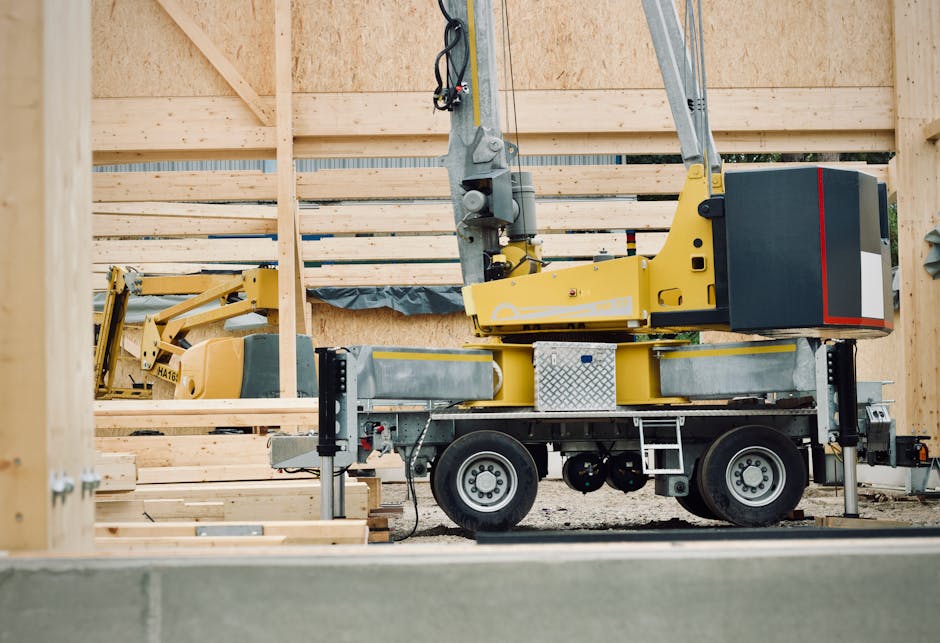
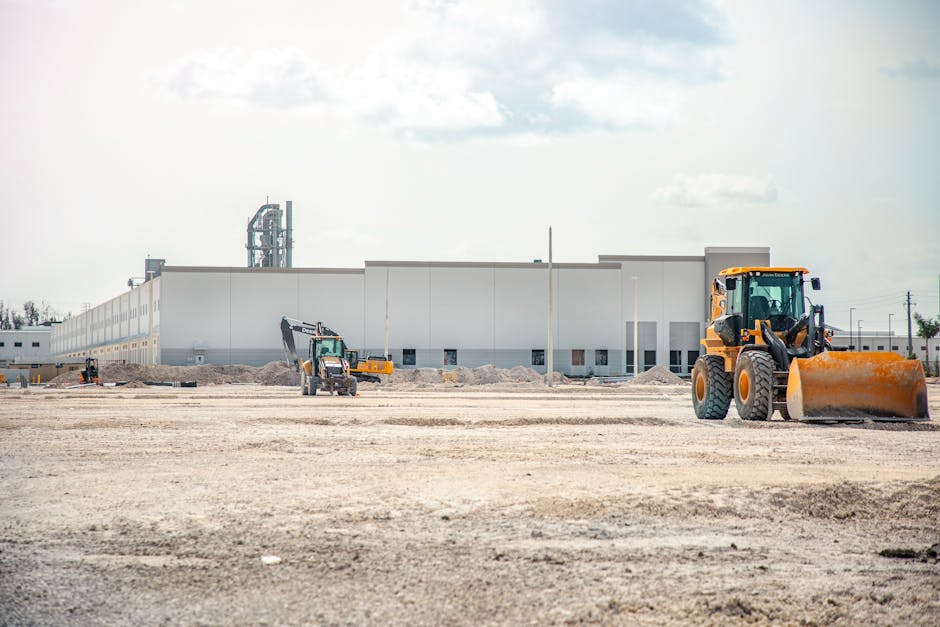

A telehandler, short for telescopic handler, is a machine widely used in agriculture and industry. It is essentially a boom that can extend forwards and upwards from the vehicle. On the end of the boom, the operator can fit one of several attachments, such as a bucket, pallet forks, muck grab, or winch.
Telehandlers have become increasingly popular due to their versatility. A single machine can perform the functions of multiple pieces of equipment, reducing fleet costs and increasing job site efficiency. The global telehandler market continues to expand, driven by construction growth and the demand for versatile material handling solutions.
Types of Telehandlers
Rotating Telehandlers
Rotating telehandlers feature a 360-degree rotating turret, allowing the boom to swing completely around the machine. This provides exceptional flexibility for positioning loads without repositioning the vehicle.
Best for:
- Complex job sites with limited maneuvering space
- Multi-directional lifting requirements
- Precise load placement
- Urban construction with space constraints
Fixed-Frame Telehandlers
Fixed-frame telehandlers have a boom that only extends forward from the chassis. They’re simpler in design and typically more affordable than rotating models.
Best for:
- Straightforward lifting applications
- Budget-conscious operations
- Open job sites with ample space
- Standard material handling tasks
Compact Telehandlers
Compact telehandlers offer reduced dimensions for working in confined spaces while maintaining impressive lift capabilities.
Best for:
- Indoor construction
- Warehouse applications
- Residential construction
- Narrow access points
Key Specifications to Consider
Lift Capacity
Telehandler capacities range from 5,500 lbs to 12,000+ lbs. Important considerations:
- Capacity decreases as boom extends
- Consult load charts for specific configurations
- Consider maximum weight at maximum reach
- Account for attachment weight
Lift Height and Reach
Modern telehandlers offer impressive reach capabilities:
- Lift height: 20-100+ feet
- Forward reach: 15-55+ feet
- Consider both vertical and horizontal requirements
Engine and Power
Most telehandlers use diesel engines for power and torque:
- 74-136+ horsepower typical range
- Tier 4 Final emissions compliance
- Consider fuel efficiency for your operation
Drive Configuration
Choose based on terrain requirements:
- 2WD: Smooth surfaces, lower cost
- 4WD: Rough terrain, better traction
- All-wheel steer: Enhanced maneuverability
- Crab steer: Sideways movement for tight spaces
Essential Telehandler Attachments
The true versatility of telehandlers comes from their wide range of available attachments:
Pallet Forks
The most common attachment for moving palletized materials. Essential for:
- Unloading delivery trucks
- Stocking materials at height
- General material handling
Buckets
Ideal for moving loose materials like gravel, sand, or debris:
- General purpose buckets (1-2 cubic yards)
- Light material buckets (larger capacity)
- Rock buckets (heavy-duty construction)
Personnel Platforms
Safely elevate workers for overhead tasks:
- OSHA-compliant designs
- Integrated fall protection
- Tool trays and storage
Truss Booms
Specialized attachment for handling roof trusses and long materials:
- Hook attachments
- Jib extensions
- Material handling arms
Other Common Attachments
- Winches: For pulling and lifting
- Clamps: For bales, drums, or specialized loads
- Sweepers: For site cleanup
- Augers: For drilling holes
Telehandler Applications by Industry
Construction
Telehandlers are ubiquitous on construction sites for:
- Material distribution to upper floors
- Roofing material handling
- Masonry block placement
- Steel and lumber handling
- Site cleanup with bucket attachments
Agriculture
Farms rely on telehandlers for:
- Hay bale handling and stacking
- Feed distribution
- Grain handling
- Equipment maintenance
- General farm maintenance
Industrial and Warehouse
Facilities use telehandlers for:
- Loading dock operations
- High-bay warehouse access
- Equipment maintenance
- Material staging
Rental Yards
Equipment rental companies value telehandlers for their versatility in serving diverse customer needs with a single machine.
Safety Best Practices
Operator Training and Certification
OSHA requires telehandler operators to complete certified training covering:
- Machine inspection procedures
- Load chart interpretation
- Safe operating practices
- Hazard recognition
- Emergency procedures
Daily Inspection Checklist
Before each shift, operators should inspect:
- Tire condition and pressure
- Hydraulic systems and leaks
- Boom extension and retraction
- Attachment locking mechanisms
- Safety devices and alarms
- Fluid levels (engine oil, coolant, hydraulic fluid)
Safe Operation Guidelines
- Always consult load charts before lifting
- Keep loads low while traveling
- Avoid sudden movements with elevated loads
- Maintain safe distance from power lines
- Never exceed rated capacity
- Use outriggers when required
- Ensure stable ground conditions
Telehandler vs. Other Equipment
Telehandler vs. Forklift
While both handle palletized loads, telehandlers offer superior reach and versatility. Forklifts excel in tight indoor spaces and heavy capacity lifting on level ground. For comprehensive warehouse equipment planning, see our forklift buying guide.
Telehandler vs. Skid Steer
Skid steers offer excellent maneuverability in compact spaces but lack the reach and lift height of telehandlers. Telehandlers provide greater versatility for elevated work. Compare both options in our wheel loader vs skid steer comparison.
Telehandler vs. Crane
Cranes offer greater lift capacity and height but require more setup time and space. Telehandlers provide faster deployment and mobility for lighter loads.
Cost Considerations
Purchase Price Ranges
- Compact models: $40,000-$60,000
- Mid-size models: $60,000-$90,000
- Large rotating models: $90,000-$150,000+
Rental Rates
- Daily: $200-$450
- Weekly: $600-$1,200
- Monthly: $1,800-$3,500
Total Cost of Ownership
Consider ongoing costs:
- Maintenance and repairs
- Attachments ($500-$5,000 each)
- Insurance
- Fuel
- Operator training
- Storage
Leading Telehandler Manufacturers
Top manufacturers in 2026 include:
- Genie: Wide range, strong dealer network
- JLG: Innovation leader, rotating models
- Manitou: European engineering, rotating specialists
- Caterpillar: Heavy-duty construction focus
- Kramer: Compact and mid-size options
Emerging Technologies
The telehandler industry continues to evolve with:
- Electric models: Zero emissions for indoor use
- Telematics: Remote monitoring and fleet management
- Advanced safety systems: Load moment indicators, stability control
- Hybrid powertrains: Improved efficiency
- Enhanced operator comfort: Climate control, ergonomic controls
Frequently Asked Questions
Q1: What is the difference between a telehandler and a forklift?
Telehandlers feature a telescopic boom that extends forward and upward, providing significant reach beyond the vehicle. Forklifts have fixed masts that only lift vertically. Telehandlers are more versatile with multiple attachments, while forklifts typically have higher capacity for their size and excel in warehouse environments.
Q2: How much weight can a telehandler lift?
Telehandler capacities range from 5,500 to 12,000+ pounds. However, actual lifting capacity depends on boom extension and angle. Always consult the load chart—capacity decreases significantly as the boom extends. A machine rated at 10,000 lbs at full retraction may only lift 2,000 lbs at maximum extension.
Q3: Do I need special certification to operate a telehandler?
Yes, OSHA requires operators to complete certified training before operating telehandlers. Training must cover machine-specific operation, load charts, safety procedures, and hazard recognition. Certification should be renewed every 3 years or after any incident.
Q4: Can telehandlers be used to lift personnel?
Yes, but only with manufacturer-approved personnel platforms and proper safety equipment. The telehandler must be equipped with proper controls for platform operation, and operators must follow strict safety guidelines including fall protection requirements.
Q5: What maintenance does a telehandler require?
Regular maintenance includes daily inspections, engine oil changes every 250-500 hours, hydraulic filter changes, lubrication of pivot points, and annual comprehensive inspections. Follow the manufacturer’s maintenance schedule and keep detailed records for warranty compliance.
Conclusion: Is a Telehandler Right for Your Operation?
Telehandlers offer unmatched versatility for operations requiring both lifting capacity and reach. Their ability to accept multiple attachments makes them valuable across construction, agriculture, and industrial applications. Before investing, carefully evaluate your typical load requirements, reach needs, and work environment.
Consider whether purchase or rental makes more sense for your operation. For frequent use across multiple applications, ownership often provides better long-term value. For occasional or specialized needs, rental offers flexibility without capital investment.
Ready to add a telehandler to your equipment fleet? Contact our specialists today for personalized recommendations based on your specific applications. We offer competitive pricing on top telehandler brands with comprehensive attachment packages to maximize your machine’s versatility.
For complete material handling solutions, also explore our guides on mini excavators and scissor lifts to build a comprehensive equipment strategy.