
This comprehensive guide explores understanding lift emission standards, providing you with essential information for your industrial equipment operations.
Overview
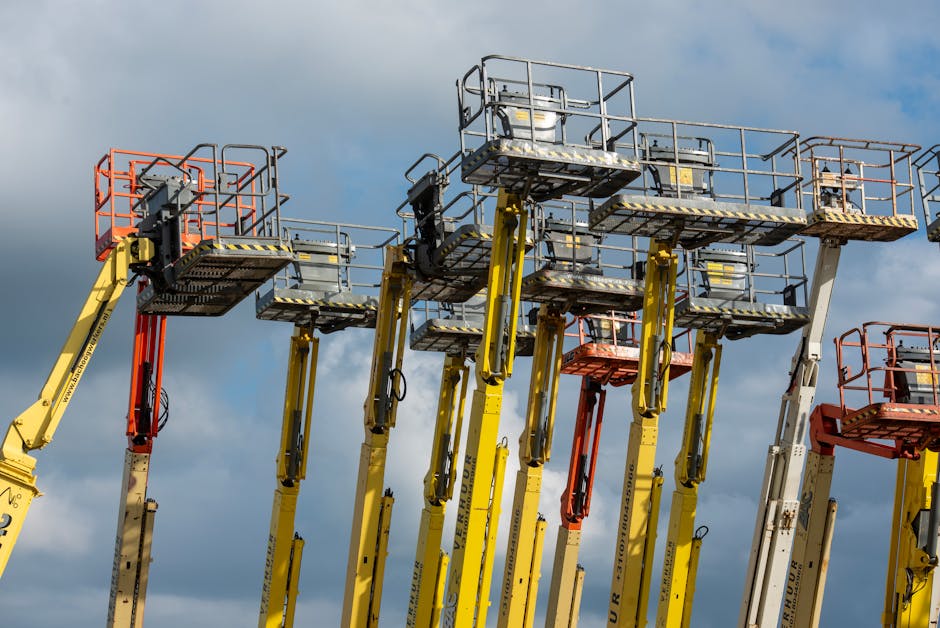
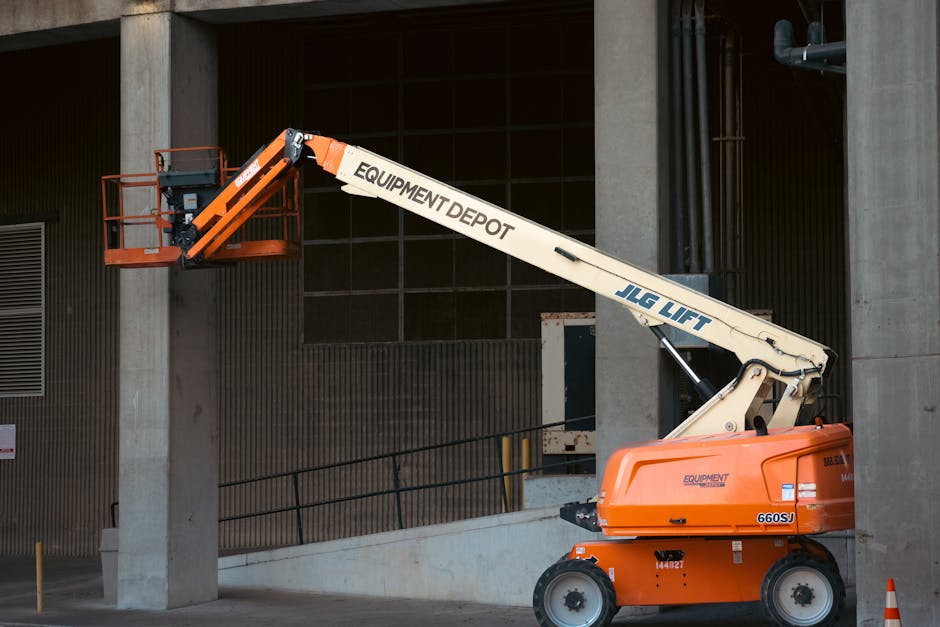

Understanding this topic is crucial for maintaining efficient and safe operations. Let’s explore the key aspects you need to know.
Key Points
Here are the most important aspects to consider:
- Safety requirements and regulations
- Equipment specifications and capabilities
- Maintenance and inspection schedules
- Cost and operational efficiency factors
- Industry best practices
Detailed Discussion
Let’s dive deeper into each of these areas to give you a complete understanding.
Safety and Compliance
Always prioritize safety in your operations. Ensure compliance with all relevant OSHA regulations and manufacturer guidelines.
Equipment Considerations
Choose equipment that matches your specific needs. Consider factors such as capacity, operating environment, and maintenance requirements.
Maintenance Best Practices
Regular maintenance extends equipment life and ensures safe operation. Follow manufacturer recommendations and keep detailed records.
Practical Tips
Based on industry experience, here are some practical tips:
- Invest in quality training for all operators
- Implement a preventive maintenance program
- Keep spare parts inventory for critical components
- Document all inspections and repairs
- Stay informed about industry developments
Conclusion
By understanding understanding lift emission standards, you can make better decisions for your operations. Remember that continuous learning and improvement are key to success.
FAQ
Q: What are the most common issues?
A: Common issues include improper maintenance, operator error, and using equipment beyond its specifications.
Q: How can I improve operational efficiency?
A: Focus on proper training, preventive maintenance, and selecting the right equipment for each task.
Q: Where can I get more information?
A: Consult manufacturer resources, industry publications, and professional training programs.