
Used Scissor Lift Advantages: How to Save 40% on Your Aerial Work Platform Purchase
Looking to expand your equipment fleet without breaking the budget? Buying a used scissor lift can save you 30-50% compared to new equipment while still providing years of reliable service.
Why Consider a Used Scissor Lift?
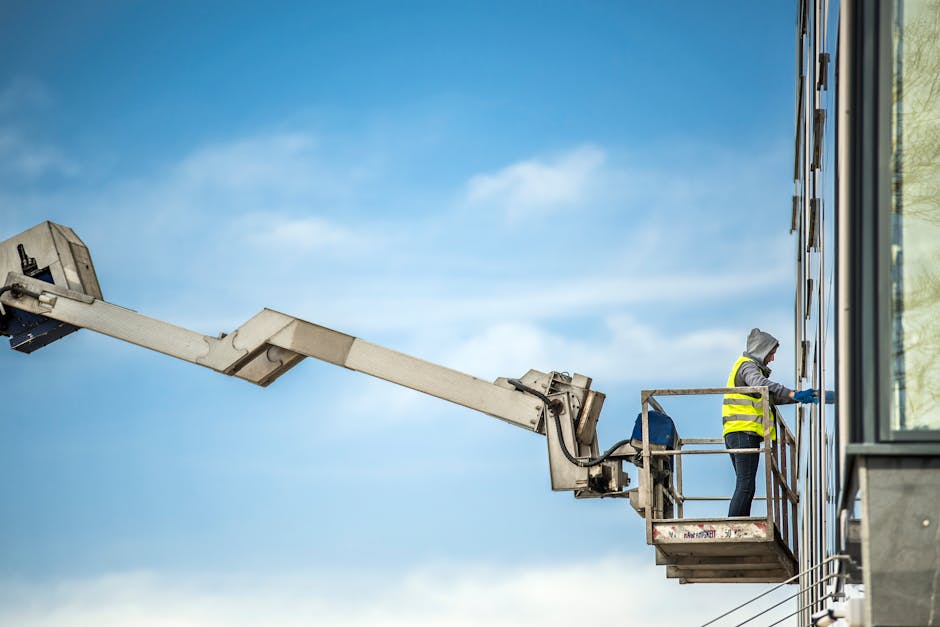

The used scissor lift market has grown significantly as companies recognize the value proposition. With proper inspection and maintenance, a used scissor lift provides the same functionality as new equipment at a fraction of the cost.
Cost Savings: The Numbers
New vs. Used Pricing
- 19-foot electric: New $25,000-$35,000 | Used $12,000-$18,000 (40-50% savings)
- 26-foot electric: New $30,000-$45,000 | Used $15,000-$25,000 (40-45% savings)
- 32-foot rough terrain: New $60,000-$80,000 | Used $30,000-$45,000 (40-50% savings)
- 40-foot rough terrain: New $80,000-$120,000 | Used $40,000-$65,000 (40-45% savings)
Total Cost of Ownership
New equipment loses 20-30% value in first year. Used equipment has already undergone this depreciation, meaning better resale value retention and lower total cost.
Advantages of Buying Used
1. Significant Capital Savings
Frees up capital for additional equipment, working capital, emergency reserves, or business expansion.
2. Slower Depreciation
Used equipment depreciates slower, providing better resale value retention and more flexibility to upgrade later.
3. Proven Reliability
You can research specific model reliability, check owner reviews, verify parts availability, and understand common issues.
4. Immediate Availability
Used scissor lifts are typically in stock and ready for immediate delivery—no waiting for manufacturing.
What to Inspect Before Buying
Structural Inspection
- Check for cracks or welds
- Look for corrosion (surface rust OK, structural rust not)
- Scissor arms should be straight
- Platform should be undamaged
Hydraulic System
- Check for leaks at cylinders and hoses
- Fluid should be clean at proper level
- Platform should raise/lower smoothly
- Cylinder rods should be free of scoring
Electrical System
- Check battery age (3-5 year lifespan)
- Test all controls
- Ensure charger is included
- Look for damaged wiring
Safety Features
- Pothole guards should deploy properly
- Tilt alarms should activate
- Emergency stop should halt all functions
- Guardrails should be secure
Where to Buy Used Scissor Lifts
Authorized Dealers
Pros: Inspected, reconditioned, often with warranty. Cons: Higher prices.
Auction Houses
Pros: Lowest prices. Cons: Sold as-is, limited inspection, no warranty.
Online Marketplaces
Pros: Wide selection. Cons: Can’t inspect before purchase.
Red Flags to Avoid
- No service records
- Excessive hours (over 10,000)
- Major structural repairs
- Missing safety features
- Hydraulic leaks
- Battery older than 5 years
Frequently Asked Questions
Q1: How long does a used scissor lift last?
With proper maintenance, 15-20 years. Key factors are maintenance history and hours of use.
Q2: Is financing available for used equipment?
Yes, many lenders offer equipment loans for used scissor lifts with 3-7 year terms.
Q3: Should I buy a warranty?
For used equipment, a 30-90 day dealer warranty provides peace of mind. Extended warranties add cost but protect against major repairs.
Q4: What maintenance will I need immediately?
Budget for fluids, filters, and possibly battery replacement ($2,000-$5,000) if batteries are old.
Conclusion
Buying a used scissor lift can save 40% or more while providing reliable service. The key is thorough inspection and buying from reputable sources.
Ready to expand your fleet? Contact our equipment specialists for quality used scissor lifts with inspection reports and warranty options.
For more aerial work platform guidance, see our scissor lift buying guide and boom lift comparison.