
Best Practices for Operating Boom Lifts in Wind
Wind is one of the leading causes of boom lift accidents. Understanding wind speed limits and safe operating practices protects operators and equipment. This guide covers wind safety standards and practical tips for working in windy conditions.

Wind Speed Limits for Boom Lifts
Manufacturers specify maximum wind speeds for safe operation. Exceeding these limits is dangerous and voids warranties.
Standard Wind Speed Ratings
General guidelines:
- 0-28 mph (0-45 km/h): Safe for most boom lift operations
- 28-35 mph (45-56 km/h): Use extreme caution, reduce height
- 35+ mph (56+ km/h): Do not operate—lower and secure equipment
Manufacturer Specifications
Always check your specific model:
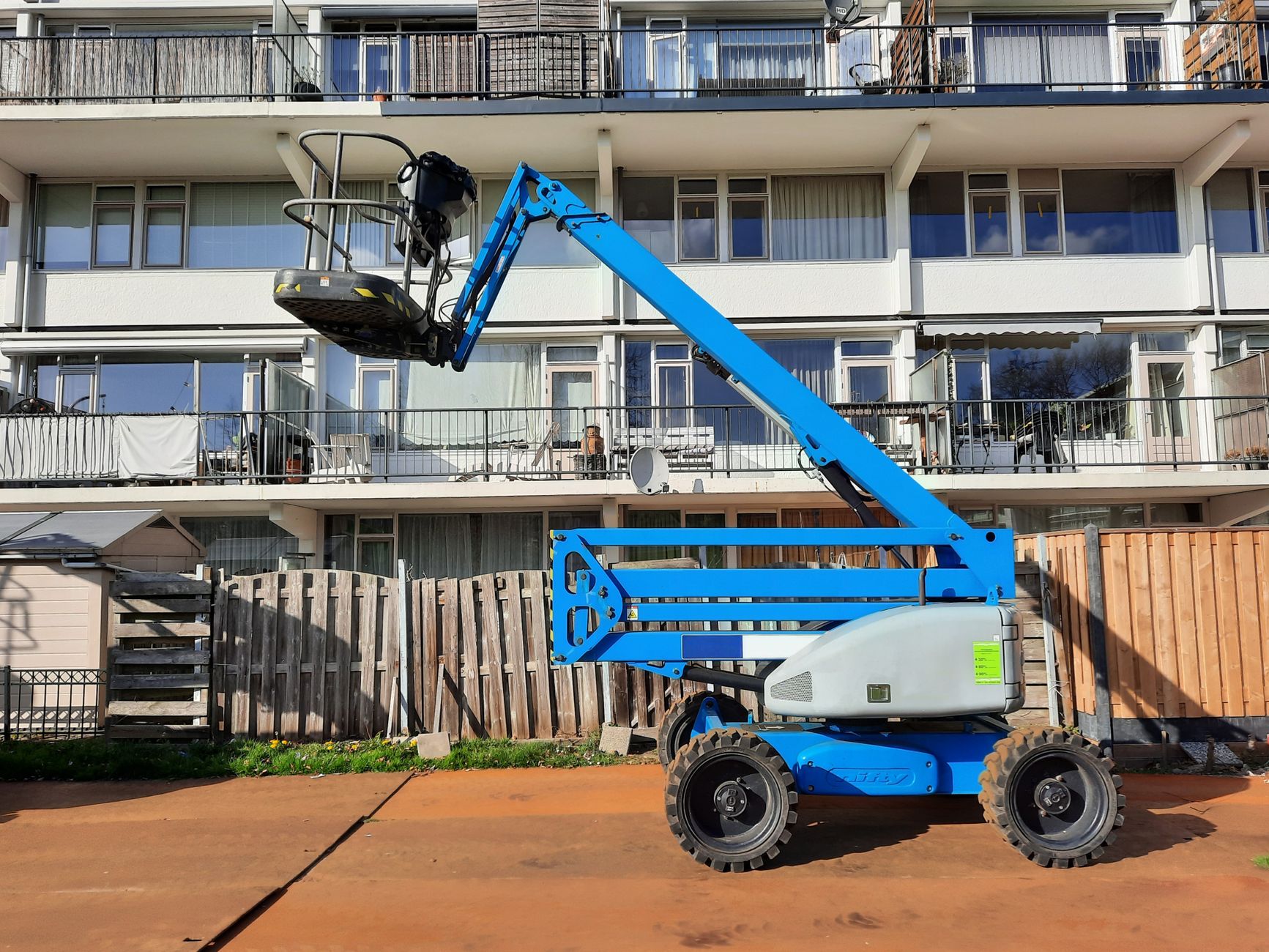
- Articulating booms: Typically rated for 28 mph maximum
- Telescopic booms: May have lower ratings when fully extended
- Rough terrain models: Often have better wind tolerance
Wind Safety Best Practices
Before Operation
Wind safety starts before you elevate:
- Check weather forecast: Review wind predictions for your shift
- Use an anemometer: Measure actual wind speed on-site
- Assess wind direction: Note if wind is gusting or steady
- Identify shelter: Know where to move if conditions worsen
During Operation
Monitor conditions continuously:
- Watch for gusts: Sudden wind increases are most dangerous
- Reduce height: Lower the platform in increasing wind
- Avoid full extension: Keep boom as short as possible
- Stay aware: Watch tree movement, flags, and debris
Wind Danger Signs
Visual Indicators
Stop work if you observe:
- Tree branches breaking: Wind is too strong
- Dust and debris: Visibility and stability concerns
- Difficulty walking: Wind is affecting ground personnel
- Platform swaying: Immediately lower the boom
Weather Alerts
Heed these warnings:
- High wind advisory: Plan to suspend operations
- Thunderstorm watch: Wind often precedes storms
- Cold front passage: Expect sudden wind shifts
Emergency Procedures
If Caught in High Wind
Follow these steps:
- Stay calm: Panic leads to poor decisions
- Lower immediately: Use ground controls if possible
- Retract boom: Reduce wind exposure
- Secure equipment: Deploy outriggers and chock wheels
Frequently Asked Questions
Q1: What is the maximum wind speed for boom lift operation?
Most manufacturers rate boom lifts for 28 mph (45 km/h) maximum. Always check your specific model’s manual for exact ratings.
Q2: Can I operate in gusty wind if average speed is low?
No. Gusts are more dangerous than steady wind. If gusts exceed limits, suspend operations regardless of average speed.
Q3: Does wind affect indoor boom lift use?
Indoor operations are generally protected from wind. However, large open buildings with doors open can create wind tunnel effects.
Q4: What should I do if wind picks up while I’m elevated?
Lower the platform immediately using ground controls if safe. If not, use platform controls to retract and lower carefully.
Conclusion
Wind safety is non-negotiable when operating boom lifts. Know your equipment’s wind rating, monitor conditions continuously, and never hesitate to stop work when wind exceeds limits. A delayed job is better than an accident.
Looking for wind-rated boom lifts? We offer equipment designed for challenging conditions with full safety documentation.