
Meta: Learn if one person can safely operate a scissor lift alone. Understand OSHA requirements, safety protocols, and when a spotter is required.
Can One Person Safely Operate a Scissor Lift Alone?
Wondering if you need a second person to operate a scissor lift? This is one of the most common questions from equipment managers and operators. The answer depends on several factors including the work environment, task complexity, and safety regulations. This comprehensive guide covers everything you need to know about single-operator scissor lift use.
OSHA Requirements for Scissor Lift Operation
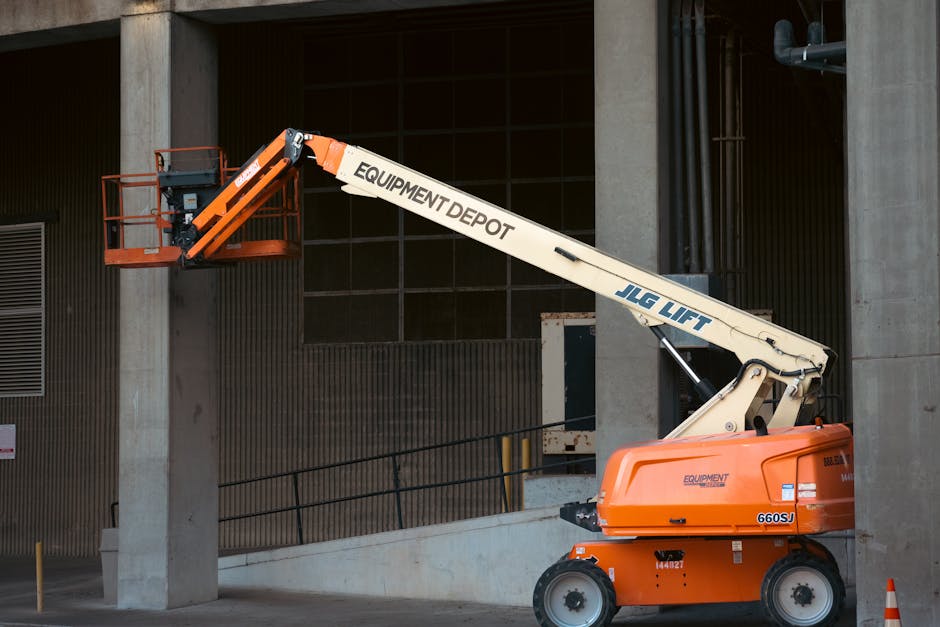
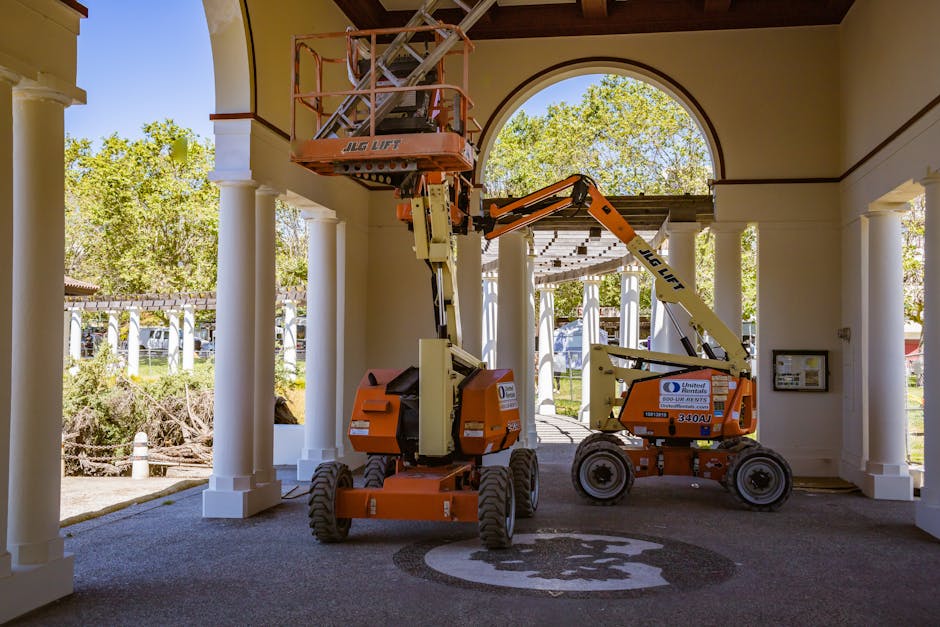
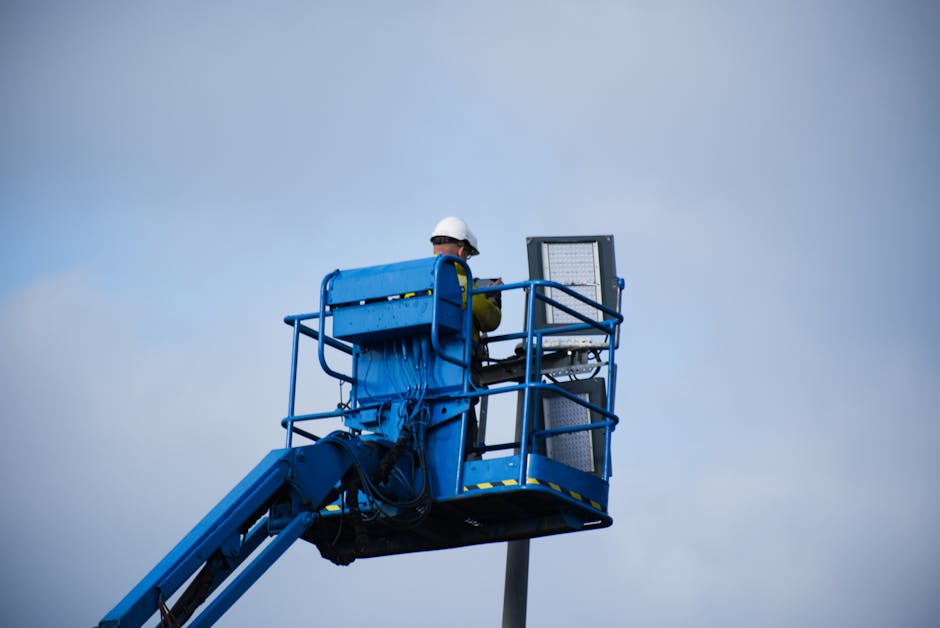
According to OSHA standards, scissor lifts are designed to be operated by a single trained operator. However, certain situations may require additional personnel for safety.
Single Operator is Standard
Under normal conditions:
- One trained operator is sufficient for scissor lift operation
- The operator must be properly trained and authorized
- Only the operator should be on the platform unless it’s designed for multiple occupants
- The operator must follow all manufacturer guidelines
When Additional Personnel May Be Required
Certain scenarios require a spotter or additional worker:
- Limited visibility: When the operator cannot see the travel path clearly
- Pedestrian traffic: Areas with foot traffic or other vehicles
- Overhead hazards: When working near power lines or other overhead obstacles
- Complex maneuvers: Tight spaces requiring precise positioning
- Emergency situations: When rescue procedures require ground support
Safety Considerations for Solo Operation
Pre-Operation Inspection
Before operating alone, conduct a thorough inspection:
- Visual check: Look for damage, leaks, or worn components
- Function test: Test all controls from ground level
- Safety devices: Verify guards, railings, and emergency stops work
- Work area: Inspect for hazards, uneven surfaces, or overhead obstacles
Communication Requirements
When working alone:
- Radio/phone: Maintain communication capability with ground personnel
- Check-in schedule: Establish regular check-in times
- Emergency plan: Ensure someone knows your location and schedule
- Rescue procedures: Know how to lower the platform in case of emergency
Best Practices for Single-Operator Use
Planning Your Work
Proper planning reduces risks:
- Survey the area: Walk the work zone before bringing in equipment
- Identify hazards: Mark overhead obstacles, floor openings, and traffic patterns
- Plan your route: Determine the safest path to your work location
- Prepare materials: Have everything ready before elevating
During Operation
Follow these guidelines:
- Stay centered: Keep your weight centered on the platform
- Don’t overreach: Move the lift instead of leaning out
- Watch your surroundings: Continuously scan for changing conditions
- Use fall protection: Wear a harness when required by site rules
- Keep gates closed: Always secure entry gates before elevating
When You Definitely Need a Spotter
High-Risk Scenarios
These situations require ground support:
- Near power lines: Someone must monitor clearance from energized lines
- Blind corners: A spotter guides travel when visibility is limited
- Crowded areas: Construction sites with multiple trades working
- Outdoor wind conditions: Someone monitors weather changes
- After-hours work: Lone workers should have check-in protocols
Frequently Asked Questions
Q1: Is it legal to operate a scissor lift alone?
Yes, OSHA allows single-person scissor lift operation as long as the operator is properly trained and follows all safety regulations. However, specific job sites or employers may have additional requirements.
Q2: Do I need a spotter for indoor scissor lift use?
Not necessarily. Indoor use in controlled environments with good visibility typically doesn’t require a spotter. However, areas with pedestrian traffic or limited visibility may require ground support.
Q3: What should I do if I’m working alone and the lift breaks down?
Use the emergency lowering system (usually a manual pump or valve) to descend. Always carry a communication device and ensure someone knows your location and expected return time.
Q4: Can two people ride on a scissor lift platform?
Only if the platform is rated for multiple occupants. Check the manufacturer’s specifications and never exceed the rated capacity. Most scissor lifts can accommodate 2-3 people plus tools.
Q5: What safety equipment should I wear when operating alone?
At minimum: hard hat, safety shoes, and high-visibility vest. Fall protection (harness and lanyard) may be required depending on site rules and whether guardrails provide adequate protection.
Conclusion: Safe Solo Operation is Possible
Yes, one person can safely operate a scissor lift alone when proper training, planning, and precautions are in place. The key is understanding when solo operation is appropriate and when additional support is necessary.
Always prioritize safety over convenience. If a task feels unsafe to perform alone, it probably is. Get the support you need to complete the job safely.
Need scissor lift training or equipment? Contact our team for comprehensive operator training programs and a wide selection of scissor lifts suitable for single-operator use. We offer both sales and rental options with full safety documentation.
For more safety guidance, explore our articles on scissor lift safety checklists and operator training requirements to ensure your team stays safe on every job.