
How Often Should Scissor Lifts Be Inspected?
Regular scissor lift inspections are critical for safety and compliance. Understanding inspection frequency requirements helps prevent accidents, reduce downtime, and meet regulatory standards. This guide covers daily, monthly, and annual inspection requirements.


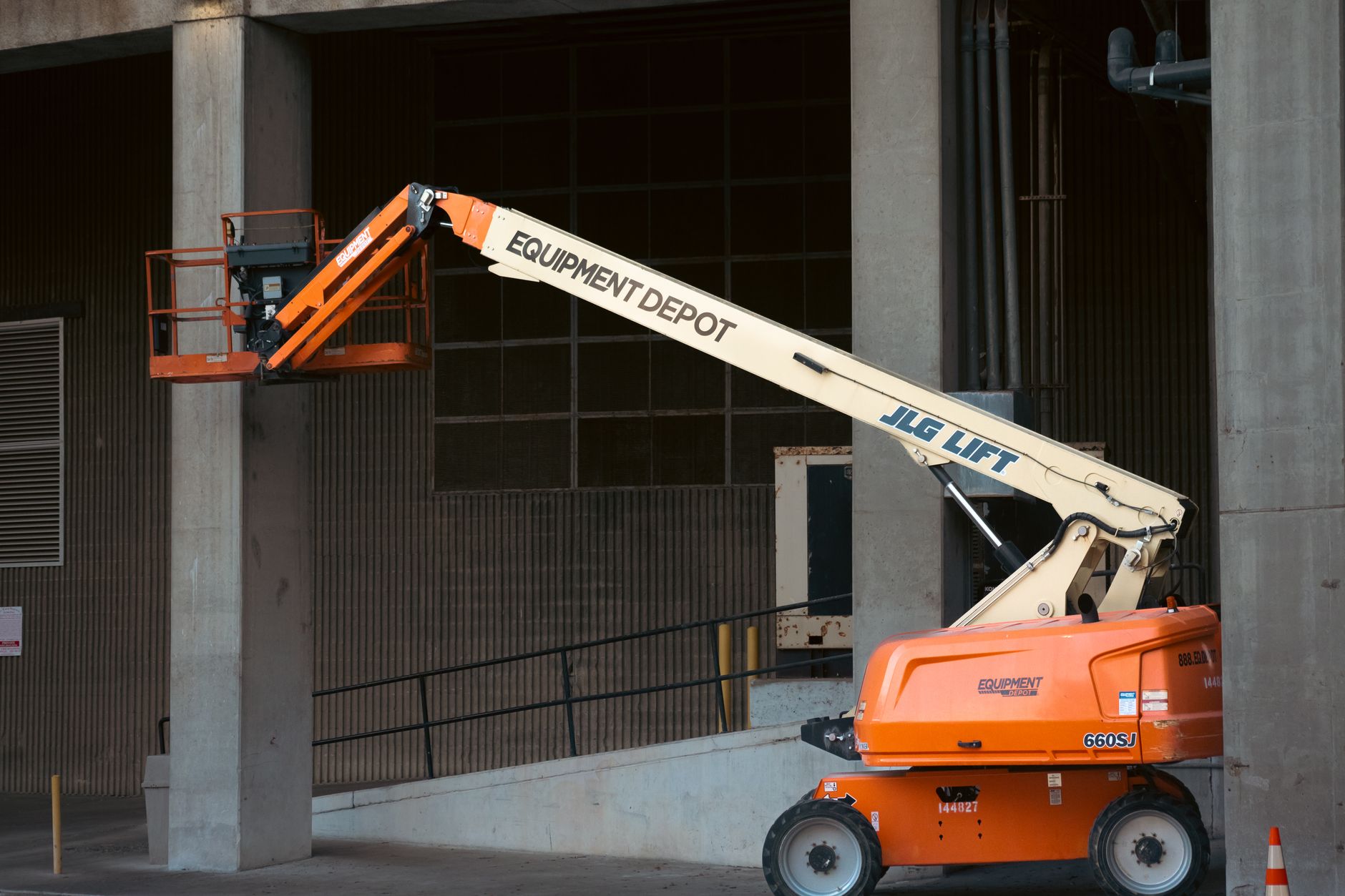
OSHA Inspection Requirements
OSHA mandates specific inspection intervals for aerial lifts including scissor lifts. Compliance is not optional—it’s the law.
Daily/Pre-Shift Inspections
Before each work shift:
- Visual inspection: Check for visible damage, leaks, or worn components
- Function test: Test controls, emergency stops, and safety devices
- Tire check: Inspect for proper inflation and damage
- Guardrail inspection: Ensure all rails and gates are secure
Monthly Inspections
Conducted by qualified personnel:
- Hydraulic system: Check for leaks, hose condition, and fluid levels
- Electrical system: Inspect wiring, connections, and battery
- Structural components: Look for cracks, bends, or corrosion
- Safety devices: Test all limit switches and alarms
Daily Inspection Checklist
Before Operation
Complete these checks every day:
- Walk-around inspection: Circle the lift looking for damage
- Fluid levels: Check hydraulic oil and battery electrolyte
- Tire condition: Look for cuts, wear, and proper pressure
- Control panel: Verify all labels are legible
- Emergency systems: Test lower controls and emergency stops
- Platform condition: Check floor, rails, and toe boards
Documentation Requirements
Daily inspections must be documented:
- Inspection log: Record date, inspector name, and findings
- Defect reporting: Note any issues found
- Corrective action: Document repairs before use
Monthly Inspection Details
Hydraulic System Check
Monthly hydraulic inspection includes:
- Hose inspection: Look for cracks, bulges, or abrasion
- Fitting check: Ensure all connections are tight
- Cylinder inspection: Check for scoring or leaks
- Fluid analysis: Test for contamination
Electrical System
Monthly electrical checks:
- Battery terminals: Clean and tighten connections
- Wiring harness: Inspect for chafing or damage
- Control circuits: Test all functions
- Charger inspection: Verify proper operation
Annual Certification
Third-Party Inspection
Annual requirements:
- Certified inspector: Must be qualified by manufacturer or equivalent
- Load testing: Verify platform capacity
- Structural inspection: Detailed examination of all components
- Certification documentation: Keep records on file
Frequently Asked Questions
Q1: Who can perform daily inspections?
Any trained operator can perform daily pre-shift inspections. However, they must be trained on what to look for and how to document findings.
Q2: What if I find a problem during inspection?
Immediately tag the lift “Out of Service” and report to supervision. Do not operate until repairs are completed and verified.
Q3: How long must inspection records be kept?
OSHA requires inspection records to be maintained for the life of the equipment. Annual certification records must be kept permanently.
Q4: Can I use a scissor lift if the monthly inspection is overdue?
No. Operating equipment without required inspections violates OSHA regulations and voids warranties. Schedule inspections proactively.
Conclusion
Regular scissor lift inspections protect workers and ensure compliance. Daily checks take 5-10 minutes but prevent costly accidents. Monthly and annual inspections by qualified personnel catch problems before they become dangerous. Make inspections a non-negotiable part of your safety program.
Need scissor lift equipment? Contact us for reliable aerial lift solutions with full documentation and support.