
Warehouse Forklift Solutions: Choosing the Right Equipment
Selecting the right forklift for your warehouse operation can dramatically impact productivity, safety, and profitability. This comprehensive guide helps you navigate the complex world of material handling equipment, comparing electric, diesel, LPG, and specialized forklifts to find the perfect solution for your specific needs.
Understanding Your Warehouse Requirements
Before evaluating specific forklift models, you must thoroughly understand your operational requirements. The right choice depends on multiple factors unique to your facility.
Aisle Width Considerations
Aisle width is often the primary constraint in forklift selection:
- Wide aisles (12+ feet): Counterbalance forklifts work well
- Standard aisles (10-12 feet): Reach trucks or counterbalance with operator assistance
- Narrow aisles (8-10 feet): Reach trucks or narrow aisle forklifts
- Very narrow aisles (6-8 feet): Turret trucks or order pickers
Reducing aisle width by just one foot can increase storage capacity by 10-15%, making narrow aisle equipment a worthwhile investment for space-constrained facilities.
Lifting Height Requirements
Consider both current and future storage needs:
- Standard warehouse (15-20 feet): Most forklifts accommodate this range
- High-bay warehouse (20-30 feet): Requires specialized high-reach equipment
- Very high-bay (30+ feet): Turret trucks or automated systems
Remember: The forklift’s maximum lift height should exceed your highest storage position by at least 6 inches for safe pallet placement.
Load Capacity and Size
Match forklift capacity to your typical and maximum loads:
- Standard pallets (48″x40″): Most forklifts handle these easily
- Oversized loads: Require extended forks or specialized attachments
- Heavy loads (5,000+ lbs): Need higher capacity forklifts
- Variable load sizes: Consider adjustable or specialized equipment
Pro tip: Choose a forklift with 20-25% more capacity than your typical load to account for future needs and reduce wear.
Power Source Comparison
Electric Forklifts
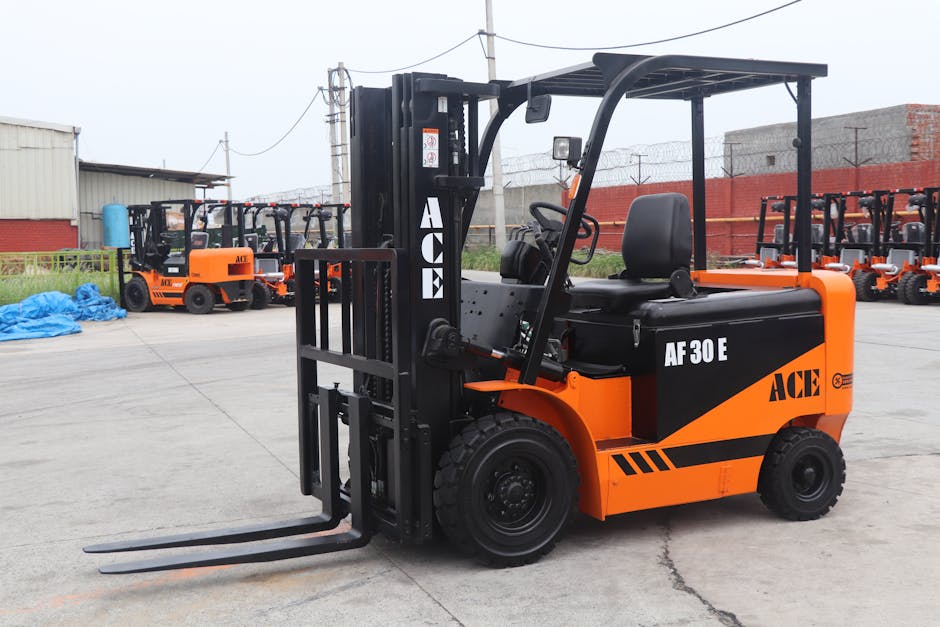
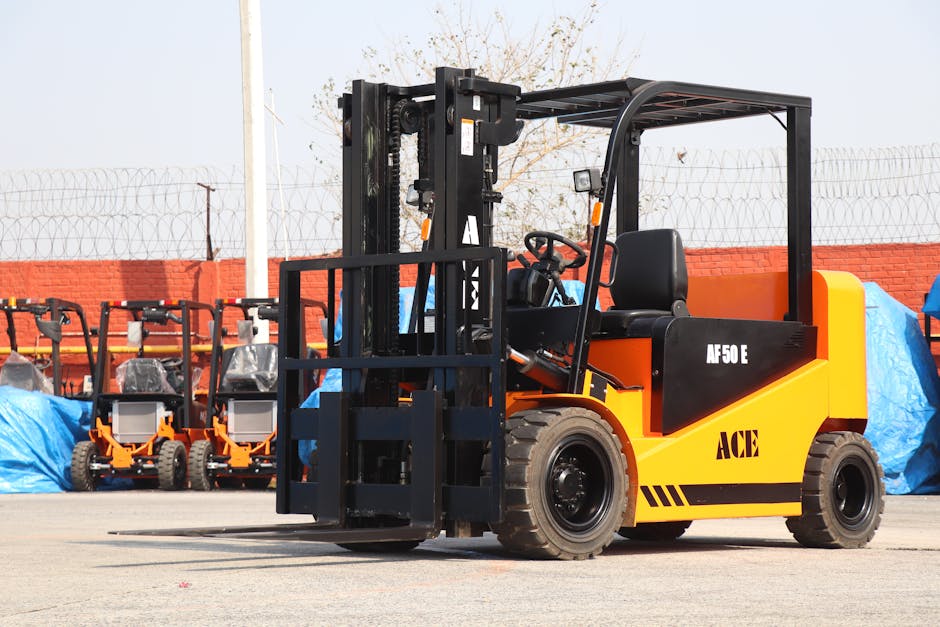
Electric forklifts have become increasingly popular in warehouse applications:
Advantages:
- Zero emissions—ideal for indoor use
- Quieter operation
- Lower operating costs (electricity vs. fuel)
- Less maintenance (no engine, transmission, or exhaust system)
- Energy recovery through regenerative braking
Disadvantages:
- Higher upfront cost
- Battery charging requires infrastructure
- Limited runtime (8-hour shifts typical)
- Performance can decrease as battery drains
Best for: Indoor warehouses, food processing, cold storage, multi-shift operations with battery swap capability
Diesel Forklifts
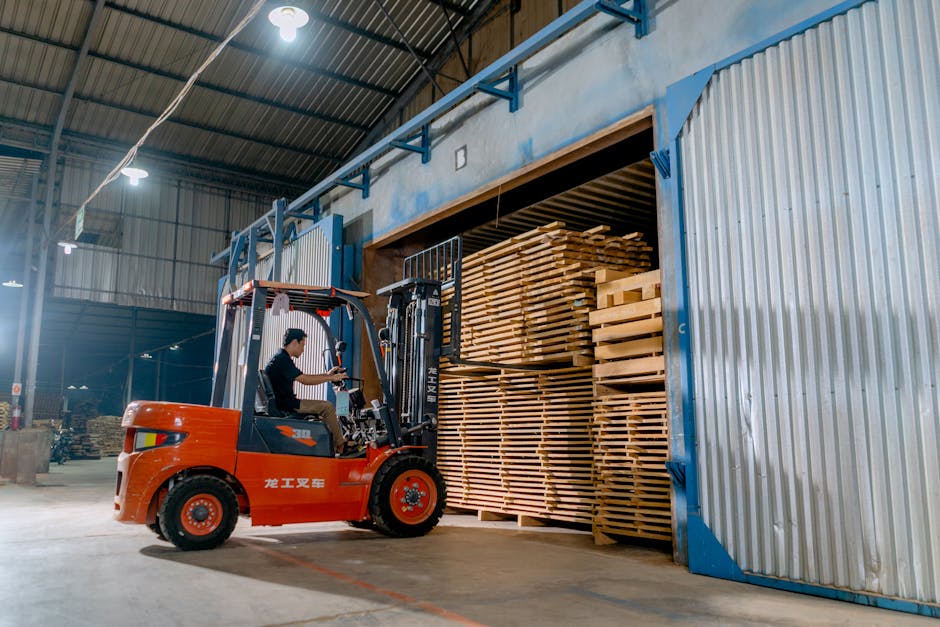
Diesel forklifts remain popular for outdoor and heavy-duty applications:
Advantages:
- High power and torque
- Excellent for outdoor use
- Quick refueling
- Lower upfront cost than electric
- Consistent performance throughout shift
Disadvantages:
- Exhaust emissions—not suitable for indoor use without ventilation
- Higher fuel costs
- More maintenance required
- Noisier operation
Best for: Outdoor yards, construction sites, lumber yards, heavy industry
LPG (Propane) Forklifts
LPG forklifts offer a middle ground between diesel and electric:
Advantages:
- Can be used indoors with proper ventilation
- Lower emissions than diesel
- Quick tank changes (no charging wait)
- Consistent performance
- Lower upfront cost than electric
Disadvantages:
- Fuel costs higher than electric
- Requires propane storage and handling
- More maintenance than electric
- Some emissions still present
Best for: Mixed indoor/outdoor operations, facilities without charging infrastructure, operations needing quick refueling
Forklift Types for Warehouse Applications
Counterbalance Forklifts
The most common forklift type, versatile and widely available:
Features:
- Weight in rear counterbalances load in front
- No outriggers—can approach racks directly
- Available in electric, diesel, and LPG
- Capacities from 3,000 to 70,000+ lbs
Best applications: Loading docks, outdoor yards, general warehouse duties, varied tasks
Aisle requirements: 12-14 feet typically
Reach Trucks
Designed specifically for narrow aisle warehouse operations:
Features:
- Outriggers extend forward for stability
- Mast reaches forward to place pallets
- Operator position varies (stand-on, sit-down)
- Lift heights up to 40+ feet
Best applications: High-density storage, narrow aisles, pallet put-away and retrieval
Aisle requirements: 8-10 feet
Order Pickers
Designed for piece picking rather than full pallet handling:
Features:
- Platform lifts with operator
- Pick individual items from various heights
- Ideal for e-commerce fulfillment
- Capacities typically 2,000-3,000 lbs
Best applications: E-commerce fulfillment, parts picking, case picking operations
Aisle requirements: 8-10 feet
Turret Trucks
Maximum density storage solution:
Features:
- Forks rotate 90 degrees for very narrow aisles
- Operator or camera-guided
- Can work in aisles as narrow as 6 feet
- Often wire or rail-guided
Best applications: Very high-density storage, cold storage (minimizes conditioned space), high-throughput warehouses
Aisle requirements: 6-7 feet
Pallet Jacks (Manual and Electric)
Essential for horizontal movement:
Manual pallet jacks:
- Low cost, no power required
- Capacities up to 5,500 lbs
- Best for occasional use, short distances
Electric pallet jacks:
- Reduced operator fatigue
- Higher productivity
- Walk-behind or ride-on options
- Better for frequent use, longer distances
Total Cost of Ownership Analysis
Purchase Price Comparison
Typical price ranges for 5,000 lb capacity forklifts:
- Electric counterbalance: $25,000-$45,000
- LPG counterbalance: $20,000-$35,000
- Diesel counterbalance: $22,000-$38,000
- Reach truck: $30,000-$50,000
- Order picker: $25,000-$45,000
Operating Costs (Per Hour)
Beyond purchase price, consider ongoing costs:
- Electric: $0.50-$1.00/hour (electricity + battery maintenance)
- LPG: $1.50-$2.50/hour (fuel + maintenance)
- Diesel: $1.75-$2.75/hour (fuel + maintenance)
5-Year Total Cost Example
For a forklift operating 2,000 hours/year:
- Electric: $35,000 purchase + $10,000 operating = $45,000 total
- LPG: $28,000 purchase + $40,000 operating = $68,000 total
- Diesel: $30,000 purchase + $45,000 operating = $75,000 total
Key insight: Electric forklifts often have lower total cost despite higher upfront price.
Essential Forklift Attachments
Common Warehouse Attachments
- Side shifters: Allow lateral fork movement for easier pallet positioning (adds $1,500-$3,000)
- Fork positioners: Automatically adjust fork width for different pallet sizes (adds $2,000-$4,000)
- Paper roll clamps: For handling paper rolls in distribution centers
- Carton clamps: For handling baled materials without pallets
- Push-pull attachments: For handling slip-sheeted loads
Safety Features to Consider
Modern Safety Technology
New forklifts offer advanced safety features:
- Blue safety lights: Project visible warning zone around forklift
- Red zone lights: Create visible boundary on floor
- Pedestrian detection: Sensors alert operator to nearby workers
- Speed reduction: Automatically slows in high-traffic areas
- Camera systems: Improve visibility in high-reach applications
- Operator presence sensors: Prevent operation when operator not seated
Fleet Management Systems
Modern fleet management provides:
- Usage tracking and optimization
- Preventive maintenance alerts
- Operator performance monitoring
- Impact detection and reporting
- Access control (keycard/biometric)
Making Your Final Decision
Decision Framework
Use this framework to evaluate options:
- Define requirements: Capacity, height, aisle width, application
- Determine power source: Based on indoor/outdoor use, shift patterns
- Select forklift type: Match to aisle width and storage density needs
- Calculate TCO: Include purchase, fuel, maintenance over 5-7 years
- Evaluate dealers: Service support, parts availability, response time
- Consider rental/lease: For seasonal needs or uncertain requirements
Dealer Selection Criteria
Your dealer relationship matters as much as the equipment:
- Service response time: How quickly can they respond to breakdowns?
- Parts inventory: Do they stock parts for your equipment?
- Technician training: Are they certified on your equipment brand?
- Rental fleet: Can they provide backup equipment during repairs?
- Preventive maintenance programs: Do they offer scheduled service?
Frequently Asked Questions
Q1: Should I buy new or used forklifts?
New forklifts offer full warranty, latest technology, and predictable maintenance costs. Used forklifts cost 30-50% less but may have hidden issues. For critical operations, new is recommended. For backup or light-duty use, certified used equipment from reputable dealers can be cost-effective.
Q2: How many forklifts do I need for my warehouse?
Calculate based on peak demand, not average. Consider: number of loading docks, shifts operated, travel distances, and task variety. A common formula: (Loads per hour × Average travel time) ÷ Utilization factor. Most warehouses achieve 75-85% utilization. Consider rental for peak periods rather than owning excess capacity.
Q3: What’s the typical lifespan of a warehouse forklift?
With proper maintenance, electric forklifts last 10,000-15,000 hours (5-7 years in single-shift operations). Diesel/LPG forklifts last 8,000-12,000 hours. Multi-shift operations will see shorter calendar life but similar hour-based lifespan. Battery replacement ($3,000-$8,000) may be needed once during the forklift’s life.
Q4: Is leasing forklifts better than buying?
Leasing offers lower upfront costs, predictable expenses, and easy equipment refresh. Buying builds equity and is cheaper long-term. Lease if you need latest technology, have cash flow constraints, or want to avoid disposal hassles. Buy if you have capital, plan long-term use, and have maintenance capability.
Q5: What maintenance does a warehouse forklift need?
Daily: Pre-use inspection, battery charging/refueling. Weekly: Fluid checks, tire inspection. Monthly: Lubrication, detailed component check. Annually: Professional inspection per OSHA requirements. Electric forklifts need less maintenance than ICE (internal combustion engine) models.
Conclusion: Optimizing Your Material Handling
Choosing the right forklift solution requires balancing multiple factors: operational requirements, facility constraints, budget, and long-term strategy. Electric forklifts dominate indoor warehouse applications due to lower total cost of ownership and zero emissions. Narrow aisle equipment maximizes storage density but requires higher investment.
Don’t make the decision in isolation—consult with material handling specialists, request demonstrations, and talk to other warehouse managers about their experiences. The right forklift solution will improve productivity, reduce costs, and keep your workers safe for years to come.
Ready to optimize your warehouse operations? Contact our material handling experts for a free consultation. We’ll analyze your specific requirements and recommend the perfect forklift solutions for your operation, with competitive pricing on all major brands.
For related guides, see our articles on scissor lift maintenance, dock leveler installation, and aerial lift selection.