
What Training Is Required to Operate a Scissor Lift?
When evaluating industrial equipment options, understanding what training is required to operate a scissor lift? helps you make informed decisions that impact safety, productivity, and bottom-line costs. This detailed guide breaks down everything you need to know.
We’ll cover key specifications, comparative analysis, and practical considerations to help you select the right equipment for your specific applications.
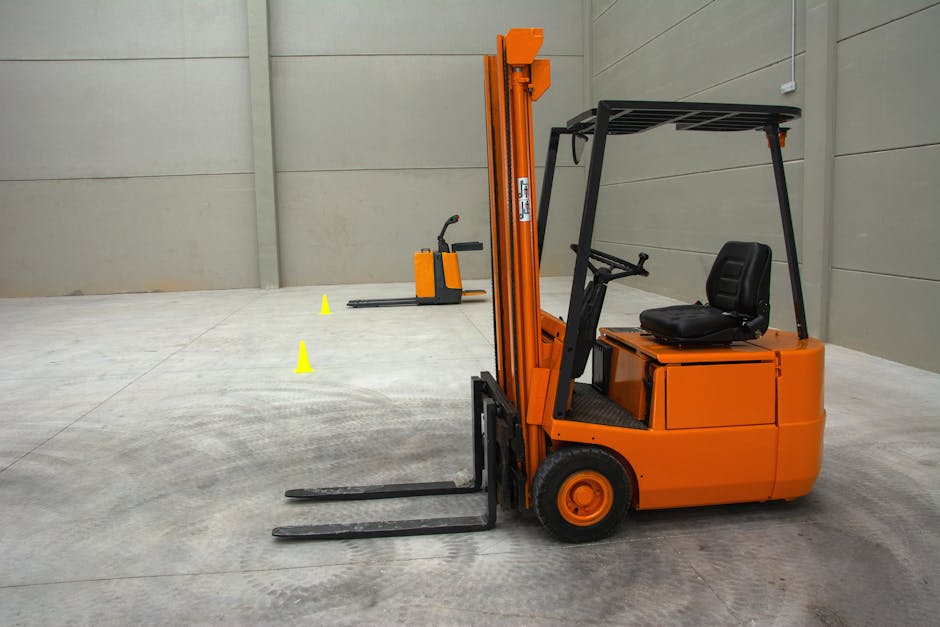
Key Factors to Consider
Several critical factors influence equipment selection and performance. Understanding these variables helps you make choices that align with your operational requirements and budget constraints.
Performance Specifications
Review manufacturer specifications carefully, paying attention to rated capacity, operating ranges, and environmental tolerances. These numbers form the baseline for equipment capabilities.
Application Requirements
Match equipment capabilities to your specific use cases. Consider factors like duty cycle, material types, workspace constraints, and operator skill levels.
Total Cost of Ownership
Look beyond purchase price to consider installation, maintenance, energy consumption, and eventual replacement costs. Quality equipment often provides better long-term value.
Comparative Analysis
When comparing different options, create a systematic evaluation framework. Score each alternative against your priority criteria to identify the best fit.
Feature Comparison
- Core functionality and capabilities
- Safety features and certifications
- Ease of operation and maintenance
- Warranty and support options
- Compatibility with existing equipment
Manufacturer Reputation
Research manufacturer track records for quality, reliability, and customer support. Established brands often provide better long-term support and parts availability.

Best Practices
Following established best practices ensures consistent results and minimizes risk. Industry standards have evolved through years of experience and should be respected.
Safety First
Never compromise on safety. Always follow lockout/tagout procedures, wear appropriate PPE, and ensure all safety systems are functional before operation.
Documentation
Keep detailed records of all operations, maintenance activities, and inspections. This documentation proves invaluable for troubleshooting and compliance audits.
Continuous Improvement
Regularly review procedures and look for opportunities to improve efficiency and safety. Stay current with industry developments and manufacturer updates.
Common Mistakes to Avoid
Learning from others’ mistakes saves time, money, and potentially prevents accidents. Here are frequent errors to watch out for:
- Skipping pre-operation inspections
- Exceeding rated capacity or operating limits
- Using equipment beyond recommended service intervals
- Ignoring unusual noises or warning indicators
- Operating without proper certification or training
- Neglecting regular maintenance schedules
- Using incompatible or substandard replacement parts
Maintenance Guidelines
Proper maintenance extends equipment life and ensures reliable operation. Establish a comprehensive maintenance program based on manufacturer recommendations and actual usage patterns.
Daily Checks
- Visual inspection for damage, leaks, or wear
- Verify all safety devices and guards are in place
- Check fluid levels (hydraulic oil, coolant, etc.)
- Test all controls and emergency stops
- Inspect tires, wheels, or tracks for damage
- Look for loose fasteners or connections
Scheduled Maintenance
Follow the manufacturer’s recommended service intervals for oil changes, filter replacements, and comprehensive inspections. Keep detailed maintenance logs for warranty and resale value.
FAQ
What are the most important safety considerations?
Safety should always be the top priority. Ensure proper training, conduct pre-operation inspections, follow load limits, and never bypass safety systems. Always wear appropriate PPE and follow established procedures.
How often should equipment be serviced?
Service intervals vary by equipment type and usage. Consult your operator’s manual for specific recommendations. Generally, light-use equipment may need service every 250 hours, while heavy-use equipment may require service every 100 hours or monthly.
What signs indicate equipment needs attention?
Watch for unusual noises, decreased performance, leaks, warning lights, or any deviation from normal operation. Address issues promptly to prevent minor problems from becoming major failures.
Can I perform maintenance myself?
Basic maintenance like fluid checks and filter changes can often be performed by trained operators. However, major repairs and certifications should be handled by qualified technicians following manufacturer guidelines.
Related Resources:
- safety training topics
- fall protection training
- operator inspection duties
- weather operation training
- certification requirements
Conclusion
Understanding what training is required to operate a scissor lift? is essential for safe and efficient operations. By following the guidelines in this article, you can make informed decisions, prevent common problems, and maximize the value of your equipment investment.
Remember that proper training, regular maintenance, and adherence to safety protocols are the foundations of successful equipment operation. When in doubt, consult your equipment manual or contact qualified service professionals.
For more information on industrial equipment selection, operation, and maintenance, explore our comprehensive resource library and equipment guides.