
Understanding how to properly handle to clean scissor lift hydraulic systems is essential for equipment operators and facility managers. This comprehensive guide covers everything you need to know.
Understanding the Fundamentals
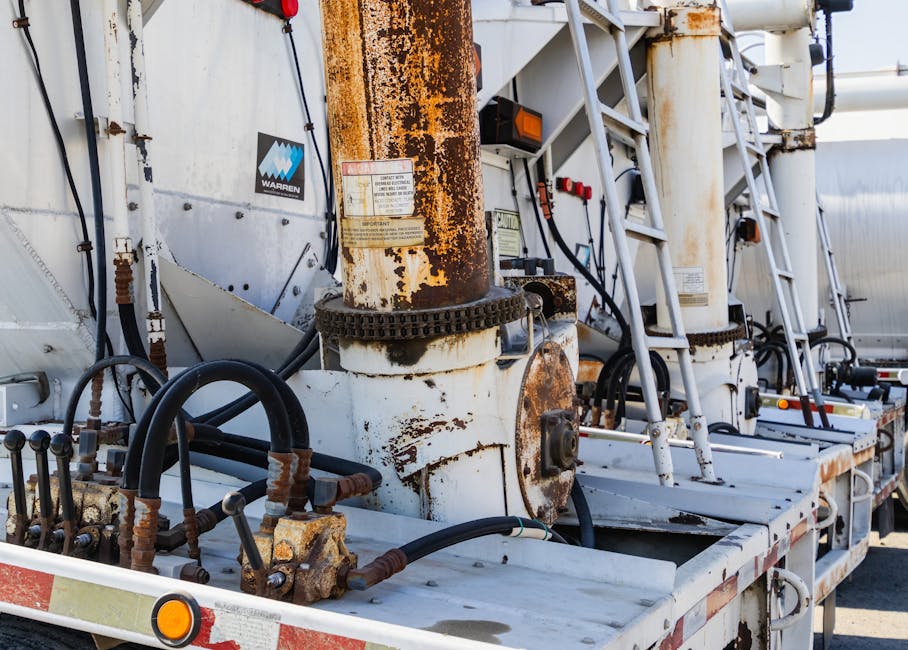
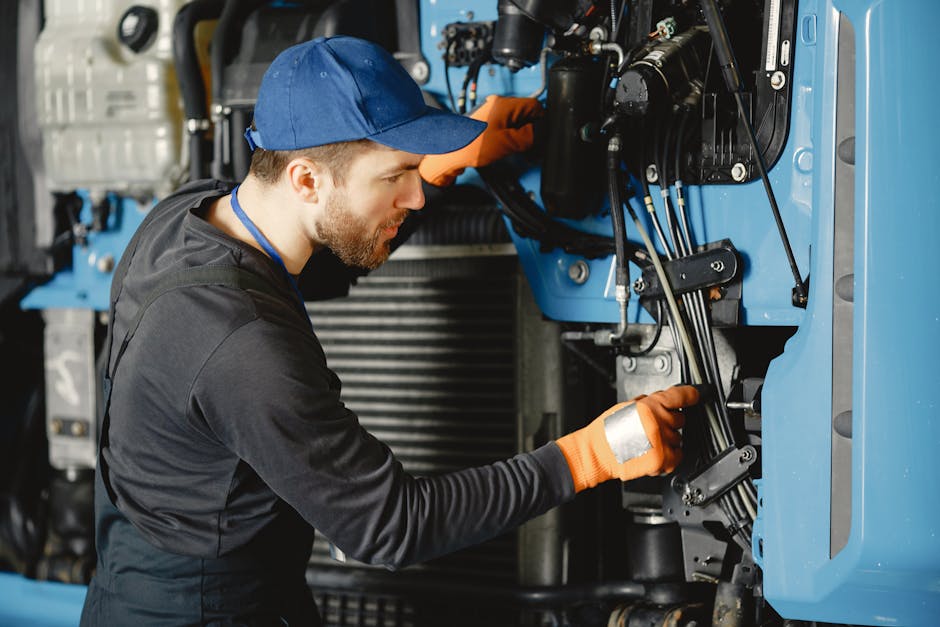
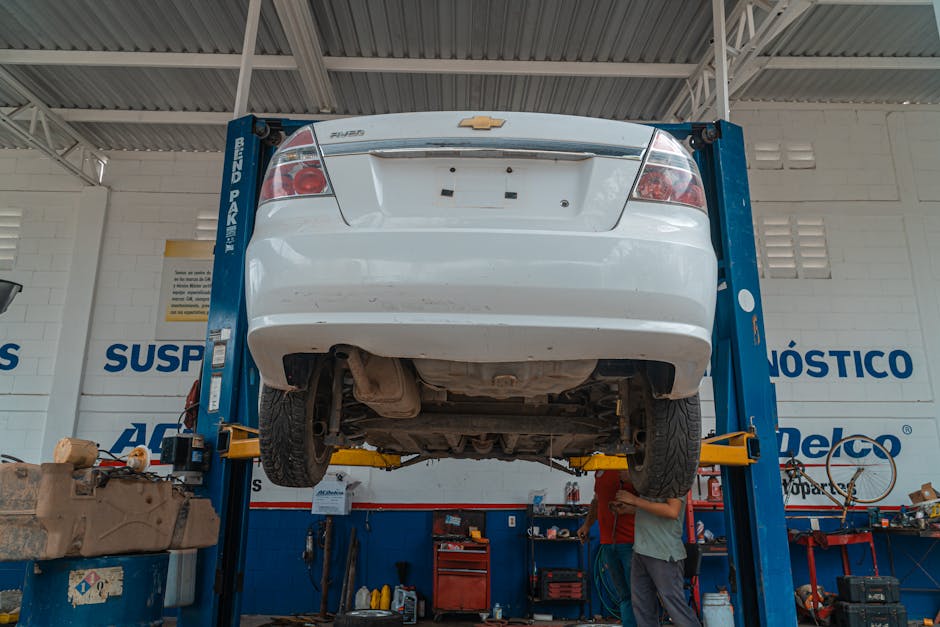
Before diving into the specifics, it’s important to understand why this topic matters. Whether you’re managing a fleet of aerial lifts or operating a fabrication shop, getting this right affects safety, efficiency, and your bottom line.
Step-by-Step Process
Step 1: Assessment and Planning
Start by evaluating your current situation. Document existing conditions, measure key parameters, and identify any constraints. This initial assessment will guide all subsequent decisions.
Step 2: Gather Required Tools and Materials
Ensure you have all necessary equipment before beginning. This includes measurement tools, safety gear, and any specialized instruments required for the task.
Step 3: Execute the Procedure
Follow manufacturer guidelines and industry best practices. Work methodically and document each step for future reference.
Step 4: Verify Results
After completing the procedure, verify that all parameters meet specifications. Test under normal operating conditions to confirm everything functions correctly.
Common Challenges and Solutions
- Inaccurate measurements: Use calibrated tools and double-check readings
- Environmental factors: Account for temperature, humidity, and wind conditions
- Equipment limitations: Know your equipment’s capabilities and work within them
Safety Best Practices
Always follow OSHA regulations and manufacturer safety guidelines. Ensure all personnel are properly trained and wear appropriate PPE.
When to Seek Professional Help
Some situations require expert assistance. Don’t hesitate to contact the manufacturer or a certified technician when dealing with complex issues or warranty-covered repairs.
Conclusion
By following this guide, you’ll be well-equipped to handle to clean scissor lift hydraulic systems effectively. Regular practice and attention to detail will improve your results over time.
FAQ
Q: How often should this be done?
A: Follow your manufacturer’s maintenance schedule. For most equipment, this should be checked quarterly or before each major project.
Q: What tools do I need?
A: Standard measurement tools, safety equipment, and any specialized instruments specified in your equipment manual.
Q: Can I do this myself or do I need certification?
A: Basic procedures can be done by trained operators. Complex tasks may require certified technicians.